

Where hemp comes from and how it’s processed determines whether a hemp drink is safe, legal, and dosed as advertised. That’s the short answer to why hemp source matters in drinks, and it has real consequences for you as a buyer. The hemp source shapes four outcomes directly: legal status, contaminant risk, potency accuracy, and label trustworthiness. With Public Law 119-37 now signed and a 0.4 mg total-THC-per-container federal limit taking effect November 12, 2026, the stakes around traceable sourcing have never been higher.
Quick buyer checklist (under 60 seconds):
- Scan the QR code or link on the label to pull up a batch-specific Certificate of Analysis (COA)
- Confirm the lab name and look it up to verify ISO/IEC 17025 accreditation
- Check total THC per container against the 0.4 mg federal limit (effective November 2026)
- Look for a lot or batch number on the can that matches the COA
- Confirm the brand lists a farm, extraction method, or supply chain statement somewhere on the product page
Table of Contents
- Why hemp source matters in drinks: the core chemistry
- How federal and state law treat hemp beverages differently
- What a Certificate of Analysis actually tells you
- How seed-to-shelf sourcing reduces your legal and safety risk
- Health risks tied to poor sourcing and why dosing accuracy matters
- What good labeling looks like and what to check at retail
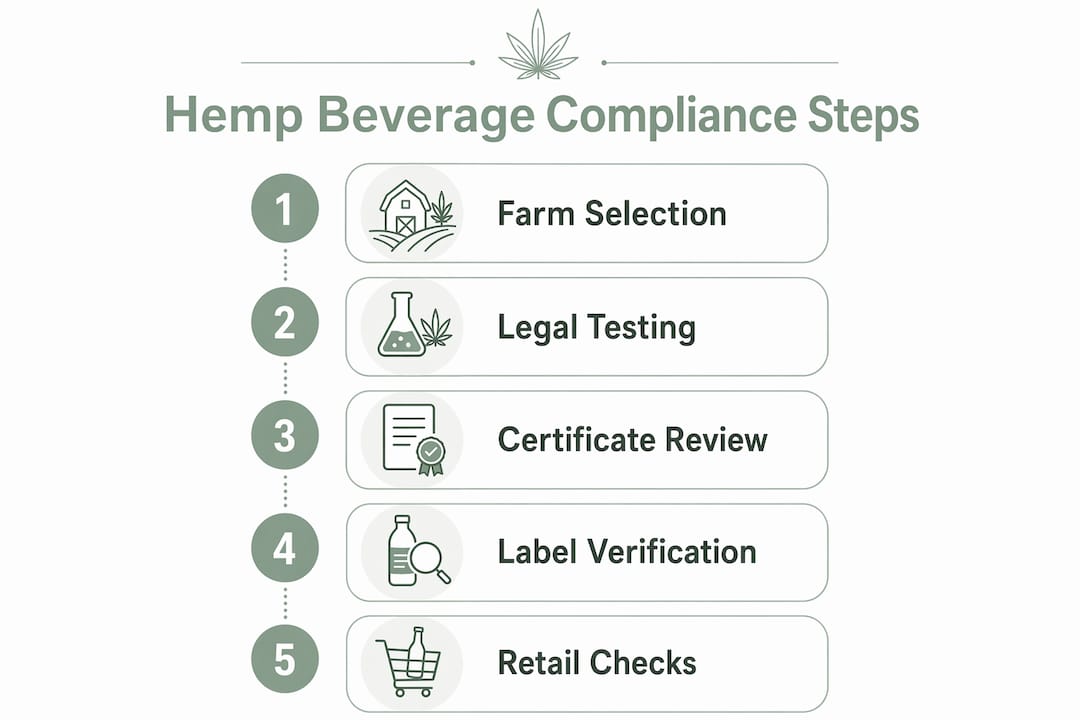
- How to choose a safe hemp beverage: a step-by-step checklist
- Key Takeaways
- The case for traceability over trust
- Tryfloral’s farm-to-fridge approach
- Useful sources
Why hemp source matters in drinks: the core chemistry
Hemp, marijuana, and cannabis are all the same plant species, Cannabis sativa. The legal difference comes down to one number: federally, hemp must contain no more than 0.3% delta-9 THC on a dry-weight basis under the 2018 Farm Bill. Marijuana exceeds that threshold. CBD (cannabidiol) is non-intoxicating and abundant in hemp. Delta-9 THC is the compound that produces psychoactive effects and triggers federal and state limits.
Here’s where it gets technical for beverages. THCA (tetrahydrocannabinolic acid) is the raw, non-intoxicating precursor to delta-9 THC found in the plant. Heat converts THCA into delta-9 THC through a process called decarboxylation. A plant that tests compliant on a dry-weight basis can produce a finished drink with significantly more active THC than the label suggests, depending on how it was processed.
The dry-weight metric used in federal law measures THC in the raw plant material. Finished-product metrics measure what’s actually in your can. Those two numbers can diverge substantially based on extraction method, processing temperature, and the carrier used. A 2026 critical review found that cannabinoid concentrations in some beverage matrices dropped below 50% of starting levels within days under certain storage conditions, while other formulations retained far more. Lipid-based carriers (like hemp oil) tend to preserve cannabinoid content better than ethanolic extracts in some applications.
Pro Tip: A strain name or marketing phrase like “premium Colorado hemp” tells you nothing about actual cannabinoid levels, pesticide exposure, or extraction method. Ask for the COA, not the story.
How federal and state law treat hemp beverages differently
The 2018 Farm Bill established the federal baseline: hemp is legal if it contains no more than 0.3% delta-9 THC by dry weight. That opened the door for hemp-derived THC beverages to be sold across state lines. But the dry-weight standard was always a poor fit for finished consumer products, and regulators noticed.
Public Law 119-37 changes the calculation. Effective November 12, 2026, it caps finished hemp-derived cannabinoid products at a very low total THC per container. That’s a finished-product limit, not a plant-material limit. Many beverages currently on shelves carry delta-9 THC amounts well above the future permitted limit and would not meet this threshold.
| Standard | Measurement basis | THC limit | Effective date |
|---|---|---|---|
| 2018 Farm Bill | Dry weight of raw plant material | 0.3% delta-9 THC | December 2018 |
| Public Law 119-37 | Finished product, per container | 0.4 mg total THC | November 12, 2026 |
State rules add another layer. Several states have already moved to finished-product or per-serving limits independent of federal action. Others restrict hemp THC beverages to licensed cannabis retailers, require age-21+ verification at point of sale, or mandate specific label warnings. South Carolina’s Department of Public Health has published guidance on hemp beverage rules for retailers. California’s Proposition 65 warning requirements apply to certain cannabis-related compounds in consumer products sold in that state.
The practical takeaway: a traceable source helps you demonstrate compliance. If a retailer or regulator questions your product, a documented chain of custody from farm to finished can is your best defense. Brands relying on spot-market biomass with no audit trail face real exposure when enforcement tightens. For a state-by-state breakdown of THC drink legality, the rules vary more than most buyers expect.
Key state-level patterns to watch:
- Several states require hemp THC beverages to be sold only through licensed alcohol or cannabis retailers
- Age-21+ verification is required at retail in most states where hemp THC beverages are sold
- Some states apply finished-product THC limits stricter than the incoming federal standard
- Enforcement is accelerating, with retailers in some markets receiving warning letters for stocking noncompliant products
What a Certificate of Analysis actually tells you
A Certificate of Analysis is a lab report that documents what’s in a specific batch of product, and knowing how to recognize quality CBD oil can guide you in evaluating these lab results. Not what’s in the brand’s general formula. Not what was in last quarter’s run. The batch. That distinction matters because hemp quality in beverages can shift from production run to production run based on feedstock, processing conditions, and storage.
A complete COA from an ISO/IEC 17025-accredited lab covers:
- Cannabinoid profile: delta-9 THC, THCA, CBD, CBG, and other cannabinoids, with per-serving and per-container totals
- Pesticide panel: screens for dozens of agricultural chemicals that concentrate in hemp extracts
- Heavy metals: lead, arsenic, cadmium, and mercury, which hemp can absorb from contaminated soil
- Microbial contamination: total yeast and mold, E. coli, Salmonella, and other pathogens
- Residual solvents: ethanol, butane, or other extraction solvents that should not remain in finished product
- Stability data: potency at time of manufacture vs. projected potency at end of shelf life
ISO/IEC 17025 accreditation means the lab has been independently audited for technical competence and measurement accuracy. A COA from a non-accredited lab is not meaningless, but it carries less evidentiary weight with retailers, regulators, and insurers.
“Testing found gaps between COAs linked via packaging QR codes and lab tests of retail samples, prompting calls for batch-to-batch verification and stability studies.” — MG Magazine independent testing report
Red flags on a COA:
- No batch or lot number (a generic COA covers no specific product)
- Lab name you cannot verify through a state or third-party accreditation database
- QR code that links to a different lot number than what’s printed on the can
- No stability or shelf-life data
- Missing pesticide or heavy metals panel
Pro Tip: To verify a COA’s authenticity, search the lab name on your state’s department of agriculture or a national accreditation body like A2LA or Perry Johnson Laboratory Accreditation. Then cross-reference the lot number on the COA with the lot number printed on the can. If they don’t match, treat the product as unverified.
How seed-to-shelf sourcing reduces your legal and safety risk
Traceability is not a marketing concept. Retailers and financial underwriters are phasing out opaque spot-market sources in favor of suppliers who provide real-time COAs and chain-of-custody records. That shift is driven by institutional risk management, not consumer preference alone.
Here’s what a traceable sourcing chain looks like in practice:
- Seed genetics: Verified cultivar with documented cannabinoid profile and THC ceiling at harvest
- Farm practices: Pesticide-free or certified-organic growing, with soil and water testing records
- Harvest and storage: Documented harvest date, moisture content at storage, and conditions that prevent mold
- Extraction method and facility: Named extraction process (CO2, ethanol, lipid infusion), facility registration, and solvent residue controls
- Batch ID assignment: Unique identifier assigned at extraction, carried through to finished product
- COA linkage: Batch ID on the COA matches the batch ID on every can in that production run
- Finished-product stability testing: Potency verified at manufacture and projected through shelf life
Vertical integration, where a brand controls farming through bottling, makes this chain shorter and easier to audit. Named, audited suppliers with contractual documentation requirements achieve similar results. What doesn’t work is purchasing biomass from anonymous brokers with no traceability documentation. That approach creates gaps that regulators, retailers, and insurers can identify quickly.
For a deeper look at cannabis beverage sourcing best practices, the documentation requirements are more specific than most buyers realize.
Pro Tip: Ask any hemp beverage brand these six questions to test their traceability: (1) What state and farm did this hemp come from? (2) What extraction method was used? (3) Can you send me the batch-specific COA for this lot number? (4) Is your testing lab ISO/IEC 17025 accredited? (5) Do you have stability data showing potency through the best-by date? (6) How quickly can you produce chain-of-custody documentation if a retailer requests it? A brand with real traceability answers all six without hesitation.
Health risks tied to poor sourcing and why dosing accuracy matters
Hemp is a bioaccumulator. It pulls compounds from soil efficiently, which is useful for phytoremediation but dangerous when that soil contains heavy metals or pesticide residues. Those contaminants concentrate in extracts. A drink made from hemp grown in contaminated soil and processed without adequate testing can deliver lead, cadmium, or pesticide residues alongside the cannabinoids you actually wanted.
Common contaminants tied to poor sourcing and their health implications:
- Pesticides: Organophosphates and pyrethroids used on neighboring crops can drift onto hemp fields; chronic low-level exposure is associated with neurological and endocrine effects
- Heavy metals: Lead and cadmium accumulate in hemp biomass; even low doses in a daily beverage add up over time
- Microbial contamination: Improperly stored or processed hemp can carry mold, yeast, or bacterial pathogens that survive into finished drinks
- Residual solvents: Ethanol or butane left in extracts from inadequate purging can cause nausea and headaches at elevated levels
Potency inaccuracy is a separate but equally real risk. An independent 2026 testing project of 21 hemp-derived delta-9 THC beverages found that only 19% fell within a 90–110% accuracy range of their labeled dose, and 57% delivered less than 80% of the labeled dose. That means most buyers are not getting what the label promises. For someone managing a specific dose for relaxation or sleep, that variability is a real problem.
“In testing of 21 hemp-derived delta-9 THC beverages, only 19% fell within a defined 90–110% accuracy range; 57% delivered less than 80% of label claim.” — MG Magazine independent testing report
Beverages also behave differently from inhalation. Oral bioavailability for THC is lower and more variable, with onset typically ranging from 30 minutes to 2 hours depending on whether you’ve eaten, your metabolism, and the formulation. A lipid-based carrier improves absorption compared to a water-soluble isolate in some formulations. Source and extraction method directly affect how consistent that experience is from can to can. For more on THC drink safety, the formulation details matter as much as the dose on the label.
Consumer red flags for safety: no COA linked from the product page, vague sourcing language (“domestic hemp”), no stability data, and potency claims without a named accredited lab.
What good labeling looks like and what to check at retail
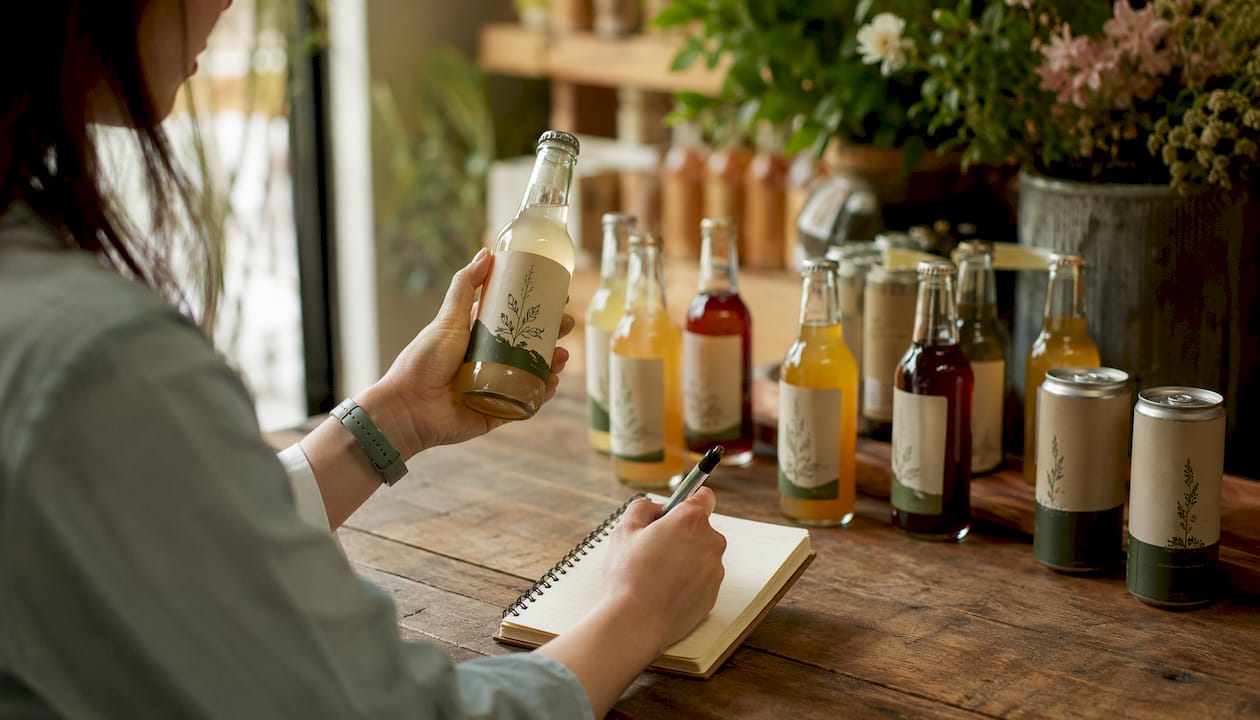
A label that reflects good sourcing carries specific, verifiable information. Generic labels with no batch reference or vague cannabinoid claims are a signal that the supply chain behind the product is equally vague.
Label elements that reflect traceable sourcing:
- Batch or lot number printed on the can (not just on the box)
- QR code or URL linking directly to the batch-specific COA
- Manufacturer or supplier name and address (not just a brand name)
- Cannabinoid content per serving and per container, stated in milligrams
- Clear ingredient list with extraction method or carrier identified
- Allergen disclosures where applicable
- State-required warnings (varies by state)
The incoming 0.4 mg per-container federal limit under Public Law 119-37 makes label math more important than ever. If a product lists 5 mg delta-9 THC per can, that product will not be federally compliant after November 12, 2026, regardless of what the dry-weight plant test showed. Retailers stocking noncompliant products after that date face real liability.
At retail, look for age-21+ verification at point of sale, state-specific warning signage, and staff who can tell you where to find the COA. Online retailers should have an age gate at checkout and state-eligibility screening before completing a sale.
Pro Tip: If the QR code on a hemp beverage links to a general “lab results” page rather than a document with your specific lot number, the brand is sharing a formula COA, not a batch COA. Those are not the same thing. A formula COA tells you what the product is designed to contain; a batch COA tells you what that specific production run actually contained.
How to choose a safe hemp beverage: a step-by-step checklist
Use this checklist before you buy or consume any hemp beverage. It takes about two minutes and covers the most common failure points.
- Find the batch or lot number. It should be printed on the can or bottle, not just the outer packaging. If it’s missing, stop here.
- Scan the COA QR code or visit the linked URL. Confirm the lot number on the COA matches the lot number on the can.
- Check the lab name. Search it on A2LA.org or the Perry Johnson Laboratory Accreditation database to confirm ISO/IEC 17025 accreditation.
- Review total THC per container. Compare it to the 0.4 mg federal limit effective November 2026 and to your state’s rules.
- Look for a full contaminant panel. Pesticides, heavy metals, microbials, and residual solvents should all be listed with results, not just “pass.”
- Check for stability data. The COA should include a test date and ideally a projected potency at the best-by date.
- Confirm the extraction method. CO2, ethanol, or lipid-based extraction should be named somewhere on the product page or COA.
Questions to ask customer service or store staff:
- “Can you send me the batch-specific COA for the lot number on this can?”
- “Is your testing lab ISO/IEC 17025 accredited?”
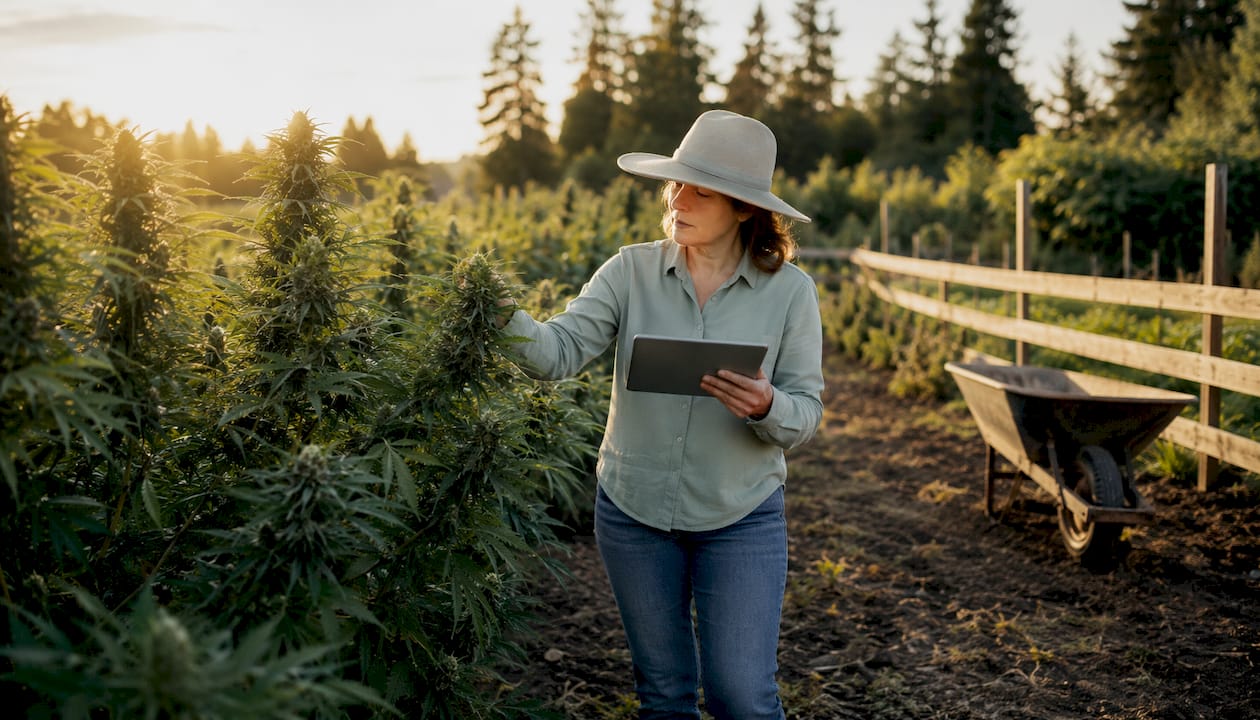
- “What state was this hemp grown in, and do you have farm documentation?”
- “Does your stability testing confirm potency through the best-by date?”
- “What extraction method was used for this product?”
Red flags that should stop a purchase:
- No COA available, or COA has no lot number
- Lab name cannot be verified through an accreditation database
- Cannabinoid content listed only as a range, not a specific amount
- No pesticide or heavy metals panel on the COA
- Sourcing described only as “domestic hemp” with no farm or state named
- Label math doesn’t add up (per-serving THC multiplied by servings doesn’t equal per-container total)
For guidance on how hemp is grown for beverages and what farm-level documentation looks like, the agricultural details connect directly to what you’ll find (or won’t find) on a COA.
Key Takeaways
Hemp source determines legal compliance, contaminant risk, potency accuracy, and label trust, and with the upcoming very low per-container federal limit taking effect November 12, 2026, traceable farm-to-fridge sourcing is now a practical necessity, not a premium feature.
| Point | Details |
|---|---|
| Federal law is changing | Public Law 119-37 caps finished hemp products at a very low total THC per container, effective November 12, 2026. |
| Potency accuracy is a real problem | Independent testing found that 57% of hemp THC beverages delivered less than 80% of their labeled dose. |
| Batch COAs are non-negotiable | A formula COA and a batch COA are not the same; only a batch-specific COA confirms what’s in your can. |
| Contaminants follow the source | Pesticides, heavy metals, and microbials in finished drinks trace directly to farm practices and extraction controls. |
| Tryfloral’s approach | Tryfloral’s farm-to-fridge model links every can to a traceable source, documented extraction method, and batch-specific COA. |
The case for traceability over trust
The hemp beverage category has a credibility problem that sourcing can fix. When 57% of tested products miss their labeled dose by more than 20%, the issue isn’t just consumer disappointment. It’s a structural failure that starts at the source and compounds through every step of processing.
What most coverage of this topic misses is that the sourcing problem and the potency problem are the same problem. Brands that purchase biomass from anonymous brokers have no reliable way to know what cannabinoid profile they’re starting with, which means every batch is a guess. Stability testing on a product with an unknown starting point is nearly meaningless. The COA becomes a formality rather than a verification tool.
Farm-to-fridge sourcing doesn’t just satisfy regulators. It’s the only way to produce a beverage where the dose on the label is the dose in the can, consistently, across every production run. Retailers and insurers are recognizing this, and the brands that built traceability before the 2026 federal changes will have a significant advantage in shelf placement and underwriting terms.
The other underappreciated point: the 0.4 mg per-container limit isn’t just a compliance hurdle. It’s a forcing function that will separate brands with real supply-chain discipline from those that have been coasting on the dry-weight loophole. Buyers who learn to read a COA now will be better positioned to navigate whatever comes next in federal and state regulation.
Tryfloral’s farm-to-fridge approach
Tryfloral grows, processes, and cans its THC beverages under a single traceable chain, from seed selection through the fridge in your home. Every Floral Beverages product page includes the batch COA, harvest date, and extraction method for that specific production run, so you’re never guessing what’s in your can. Products are available for direct-to-consumer delivery in eligible U.S. states; eligibility is confirmed at checkout.
What you’ll find on every Tryfloral product page:
- Batch-specific COA from an accredited third-party lab
- Harvest date and source state
- Extraction method and carrier used
- Total THC per serving and per container, in milligrams
Ready to see what farm-to-fridge actually looks like? Visit the farm-to-fridge difference page to see how Tryfloral documents every step, or shop the Harvest Apple THC Seltzer and pull up the batch COA before you even add it to your cart.
Useful sources
| Source | What it covers | Relevant article claims |
|---|---|---|
| USDA Farm Bill (usda.gov) | Federal hemp definition, 0.3% dry-weight THC baseline | Legal baseline, definitions section |
| Public Law 119-37 / MG Magazine testing report | 2026 federal 0.4 mg per-container limit; potency testing of 21 hemp THC beverages | Legal change, potency variability, COA gaps |
| SC Dept. of Public Health hemp beverage guidance | State-level retail rules for hemp beverages | State regulatory divergence |
| California Prop 65 warnings (p65warnings.ca.gov) | State warning requirements for cannabis-related compounds | State labeling compliance |
| Cannabinoid stability critical review | How beverage matrix, temperature, and storage affect cannabinoid concentration | Stability, formulation, and potency accuracy |
| Hemp-infused fermented milk study | Cannabinoid retention by feedstock type (oil vs. ethanolic extract) in fermented beverages | Feedstock selection, potency consistency |
| LowGravityHemp supply chain analysis | Retailer and insurer demand for audit-ready provenance and real-time COAs | Traceability, vertical integration, institutional risk |
| Congress.gov CRS hemp overview | Congressional Research Service summary of federal hemp law | Legal framework background |
| Hemp Beverages: State Rules, Risks, and Enforcement (CSG South) | State enforcement trends and retail compliance for hemp beverages | State-by-state legal variation |
