

Hemp is defined as a source of cannabinoids, including CBD and delta-9 THC, that deliver relaxation and wellness effects when formulated into sparkling beverages. The role of hemp in sparkling drinks goes well beyond flavor. It transforms a simple carbonated water into a functional, social drink that appeals to adults who want a real effect without alcohol. The hemp beverages market now exceeds $1 billion, driven by sober-curious adults seeking calorie-light, hangover-free alternatives to beer and cocktails. Federal law caps delta-9 THC at 0.3% by dry weight in hemp-derived products, which shapes how brands formulate and dose every can.
How does carbonation influence the role of hemp in sparkling drinks?
Carbonation does more than add fizz. It is the primary sensory tool that makes hemp extract in beverages actually drinkable. Raw cannabinoids carry a sharp, grassy bitterness that most people find unpleasant on its own. Carbonation solves that problem through two mechanisms working at once.
The first is chemical. When CO₂ dissolves in water, it creates carbonic acid, dropping the beverage pH to roughly 3.5–4.0. That acidic environment masks cannabinoid bitterness by shifting how your taste receptors perceive the drink. The second is physical. Carbonation activates TRPA1 receptors on the tongue, producing a biting, tingly mouthfeel. That sensation overrides the lingering bitterness that hemp extracts typically leave behind.
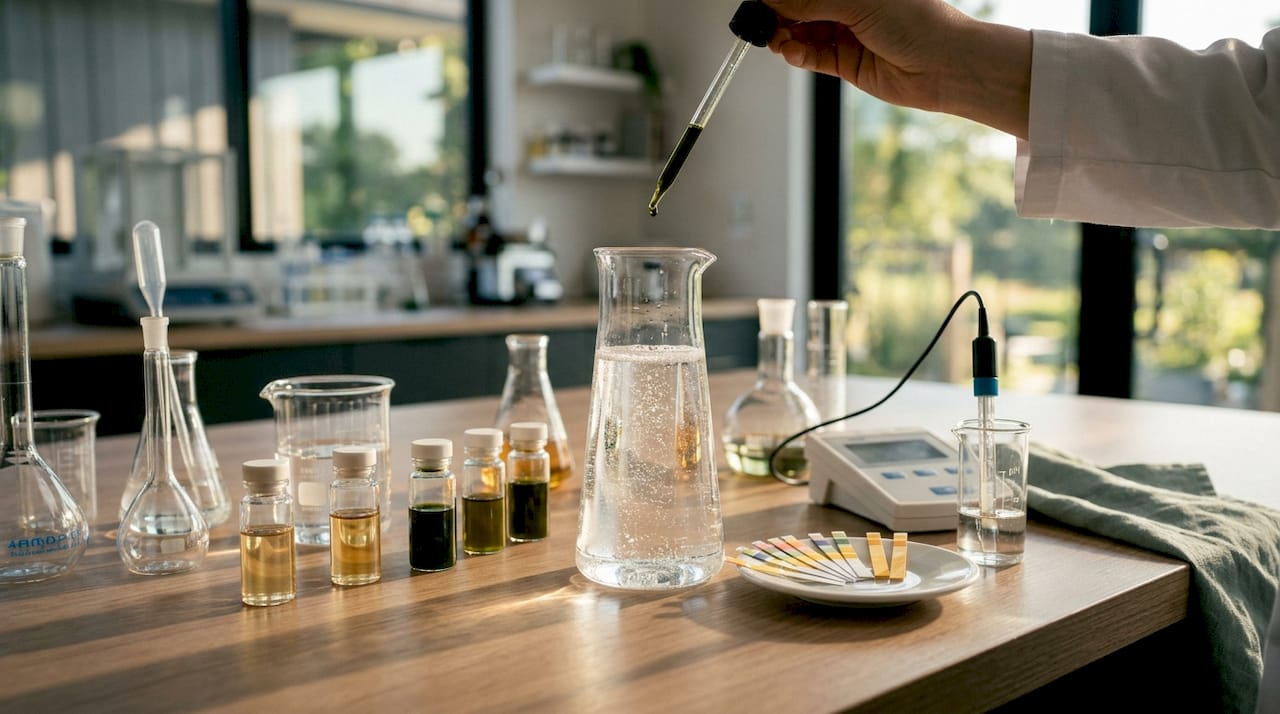
The role of carbonation in hemp drinks is not just sensory, though. It also creates a real formulation challenge. The same acidic pH that improves taste can destabilize cannabinoid emulsions. Protein-based emulsifiers, which work well in neutral beverages, tend to aggregate and clump at pH 3.5–4.0. That clumping causes cloudiness, separation, and potency loss on the shelf. Formulators have to account for this from day one.
Pro Tip: When you crack open a hemp sparkling drink, the carbonation level tells you something about the formulation. A flat or under-carbonated hemp drink often signals that the CO₂ was lost during processing, which can also mean the sensory masking is weaker and the hemp flavor more noticeable.
The stability of carbonation itself is a challenge in production. High-pressure filling, cold temperatures, and airtight packaging all help retain CO₂ and protect the emulsion. Brands that cut corners on packaging compatibility often see both flat drinks and degraded cannabinoid potency by the time the product reaches your fridge.
What are the formulation challenges of hemp extract in sparkling drinks?
Getting hemp extract into a sparkling drink that looks clear, tastes good, and delivers a consistent effect is genuinely difficult. The core problem is that cannabinoids are oil-soluble, and water and oil do not mix without help.
Oil-based vs. water-soluble delivery
Traditional oil-based cannabinoid extracts simply do not work in sparkling water. Drop hemp oil into a carbonated beverage and it floats to the top, separates visibly, and delivers an uneven dose with every sip. Water-soluble cannabinoid technology, specifically nanoemulsion formulations, solves this by breaking cannabinoid oil droplets down to 80–120 nanometers. At that size, the particles stay suspended evenly throughout the liquid, maintain clarity, and remain stable in acidic, carbonated environments.
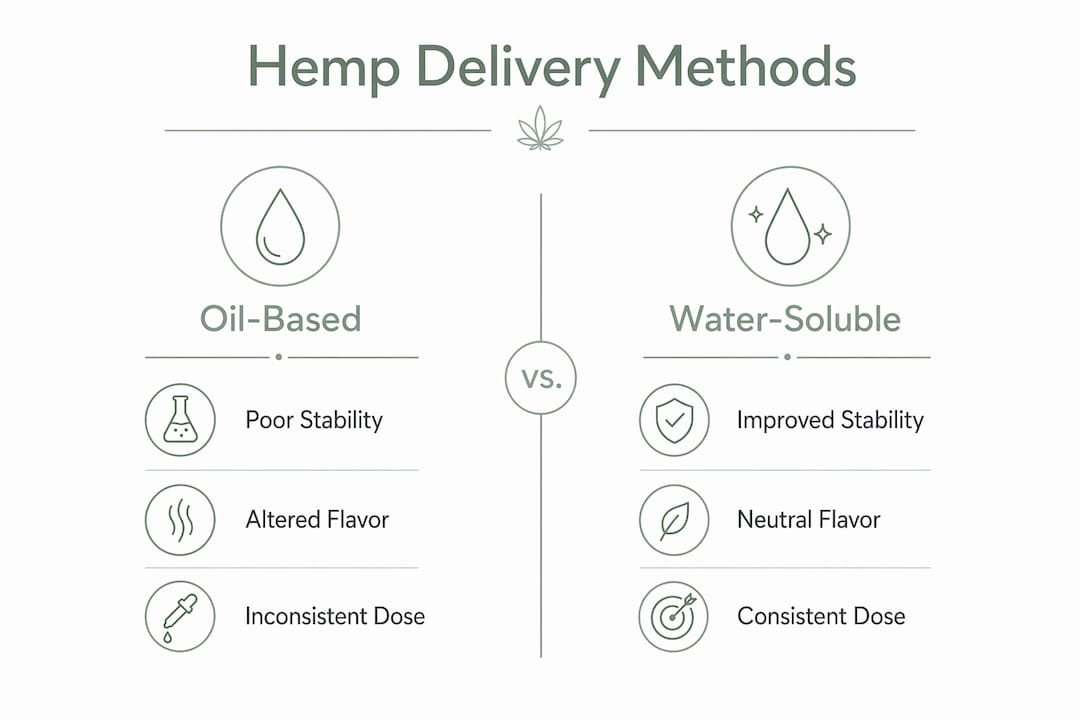
| Delivery method | Stability in carbonated drinks | Flavor impact | Dose consistency |
|---|---|---|---|
| Oil-based extract | Poor; separates quickly | Strong hemp flavor | Unreliable |
| Nanoemulsion (water-soluble) | Good; stays suspended | Neutral to mild | Consistent per sip |
The carrier oil inside the nanoemulsion also matters. MCT oil is the most common choice because it produces small, stable droplets and has a neutral flavor profile. Hemp seed oil creates larger droplets and a stronger, earthier taste that can overpower lighter sparkling drink flavors. Choosing the wrong carrier affects both the sensory experience and the shelf life of the product.
Emulsifier selection is equally critical. Protein emulsifiers aggregate at the low pH of carbonated drinks, leading to cloudiness and instability. pH-stable surfactants like sucrose esters handle the acidic environment far better and keep the product looking and tasting consistent from the first sip to the last.
Pro Tip: Check the ingredient list on any hemp sparkling drink you buy. If you see “sucrose ester” or “water-soluble hemp extract,” the brand has likely invested in proper emulsification. If you see “hemp seed oil” listed without any emulsifier, expect separation and inconsistent effects.
Potency loss is the most underreported problem in this category. Retail bottles showed that 70% had a potency variance of 20% or more compared to their label claims. That means you could drink a can labeled at 5mg of THC and actually receive anywhere from 4mg to 6mg or more. Poor emulsion stability is the main cause. Cannabinoid concentration can drop by over 50% within days when the emulsion breaks down. Stable formulation is not optional. It is the difference between a product that works and one that does not.
What are the health and functional benefits of hemp in sparkling drinks?
Hemp-infused sparkling drinks deliver real functional benefits, not just a wellness label. The cannabinoids in these drinks interact with the body’s endocannabinoid system, which regulates mood, sleep, and inflammation. Here is what the research shows:
- Relaxation and anxiety reduction: Hemp-based drinks can reduce the effects of anxiety and stress, making them a practical choice for unwinding after work or socializing without alcohol.
- Anti-inflammatory properties: Cannabinoids like CBD carry anti-inflammatory effects that may benefit people dealing with everyday soreness or inflammation.
- Sleep support: Hemp drinks have shown benefits for people with insomnia, particularly when consumed in the evening as part of a wind-down routine.
- Zero alcohol, low calories: Most hemp sparkling drinks are alcohol-free and low in calories, making them a genuinely lighter option compared to beer or cocktails.
- No hangover: Because there is no alcohol involved, you wake up the next morning feeling normal. That alone is a major draw for the sober-curious crowd.
The distinction between hemp, CBD, and THC matters here. CBD is non-intoxicating and primarily drives the relaxation and anti-inflammatory effects. Delta-9 THC in water-soluble form avoids liver metabolism to 11-hydroxy-THC, which means the effect feels more like a smoker’s high than the heavy, sedative experience associated with edibles. That distinction makes THC sparkling drinks more predictable and social-friendly than traditional edibles. You get a mild, clear-headed buzz rather than couch-lock.
The social benefit is real too. You can hold a sparkling hemp drink at a party, enjoy a mild buzz, and stay present in the conversation. That experience is exactly what sober-curious consumers are looking for when they step away from alcohol.
How is the market for hemp-infused sparkling drinks evolving?
The hemp beverages market has crossed the $1 billion mark, and the growth is not slowing. The sober-curious movement is the primary engine. Adults aged 21 and over are actively reducing alcohol consumption without giving up the social ritual of having a drink in hand. Hemp sparkling drinks fill that gap better than sparkling water alone because they deliver an actual effect.
Positioning matters enormously in this market. The most successful products sit at the intersection of wellness and social drinking. They are alcohol alternatives that fit naturally into the same occasions where you would previously reach for a beer or a glass of wine. A hemp seltzer at a backyard barbecue or a Friday evening gathering carries none of the stigma that cannabis once did, and that cultural shift is accelerating.
Consumer demand is also pushing brands toward better formulation. Predictable dosing and consistent flavor are now table-stakes expectations. Market demand is led by consumers who want to know exactly what they are getting in every can. That expectation is forcing the entire category to adopt water-soluble cannabinoid technology and tighter quality controls. Brands that cannot deliver consistency are losing shelf space to those that can.
The sober-curious movement has also expanded the demographic beyond cannabis enthusiasts. Fitness-focused adults, professionals who avoid alcohol for health reasons, and parents who want a social drink without impairment are all entering the category. That broadening audience is pushing product development toward lighter carbonation, fruit-forward flavors, and precise low-dose formulations in the 2–5mg THC range.
What should you look for when choosing a hemp sparkling drink?
Choosing the right hemp sparkling drink comes down to a few specific things on the label and in the formulation.
- Check for nanoemulsion or water-soluble hemp extract. This tells you the cannabinoids are properly dispersed and will deliver a consistent dose. Products without this technology are more likely to separate and lose potency.
- Look at the labeled cannabinoid potency. A trustworthy brand lists exact milligrams of CBD or THC per serving. Vague claims like “hemp extract blend” without a milligram count are a red flag.
- Consider the carrier oil. MCT oil-based nanoemulsions tend to have a cleaner, more neutral flavor. Hemp seed oil carriers can add an earthy taste that not everyone enjoys.
- Check the packaging. Aluminum cans protect cannabinoid stability better than clear plastic bottles, which allow light degradation. Proper packaging compatibility is a real factor in shelf life and potency retention.
- Think about carbonation level and flavor profile. Higher carbonation provides stronger sensory masking of hemp’s natural bitterness. If you are new to hemp drinks, a well-carbonated, fruit-flavored option is the easiest entry point.
A CBD sparkling drink with clearly labeled cannabinoid content and a proper emulsification system is always a better choice than a cheaper product with vague ingredient labeling.
Key Takeaways
Hemp in sparkling drinks delivers real functional benefits only when the formulation is done right, combining nanoemulsion technology, pH-stable emulsifiers, and proper carbonation to ensure consistent potency and flavor.
| Point | Details |
|---|---|
| Carbonation masks bitterness | CO₂ activates TRPA1 receptors and creates an acidic pH that reduces hemp’s natural bitter taste. |
| Nanoemulsions are the standard | Water-soluble cannabinoid particles at 80–120 nm stay stable in carbonated, acidic beverages. |
| Potency variance is a real risk | 70% of retail hemp drinks show 20% or more potency variance; stable emulsions prevent this. |
| THC drinks differ from edibles | Water-soluble delta-9 THC bypasses liver metabolism, producing a clearer, more social effect. |
| Market growth follows quality | The $1 billion hemp beverages market rewards brands that deliver consistent dosing and flavor. |
Why carbonation changed everything for hemp drinks
I have spent a lot of time looking at how beverage science intersects with consumer wellness, and hemp sparkling drinks are one of the more interesting collisions I have seen. The conventional wisdom used to be that hemp’s bitter, earthy flavor was the main barrier to mainstream adoption. Fix the flavor, and you fix the category. That turned out to be only half right.
The real breakthrough was understanding that carbonation is not just a flavor fix. It is a delivery mechanism. The acidic pH and the TRPA1 activation work together to make hemp extract feel like it belongs in a sparkling drink, not like something added to it. That shift in thinking changed how formulators approach the whole product. Once you treat carbonation as part of the cannabinoid delivery system rather than just a texture choice, the entire formulation strategy changes.
What I find most telling about where this market is going is the consumer expectation shift. Adults who try a well-made hemp seltzer and get a consistent, pleasant effect become repeat buyers fast. The ones who try a poorly formulated product with uneven dosing and an off-putting flavor do not come back. The category’s long-term growth depends entirely on brands getting the science right, not just the marketing.
— Adam
Tryfloral’s farm-to-fridge approach to hemp seltzers
Tryfloral builds every hemp sparkling drink with the formulation standards this category demands. The brand’s farm-to-fridge commitment means cannabinoid quality is controlled from the hemp plant through to the can in your hand.
Tryfloral’s THC seltzers are zero-calorie, precisely dosed, and available in flavors like Harvest Apple and Tropical, each built for the kind of social occasion where you want a real effect without the alcohol. The full Tryfloral seltzer range is designed for adults 21 and over who want transparency in their cannabinoid content and consistency in every sip. Please enjoy responsibly.
FAQ
What is a sparkling hemp drink?
A sparkling hemp drink is a carbonated beverage infused with hemp-derived cannabinoids, typically CBD or delta-9 THC, formulated to deliver relaxation or wellness effects without alcohol.
How does carbonation affect hemp drinks?
Carbonation creates a pH of roughly 3.5–4.0 that masks cannabinoid bitterness and activates TRPA1 receptors, improving drinkability while also challenging emulsion stability.
Are hemp sparkling drinks the same as CBD drinks?
Not always. Hemp sparkling drinks may contain CBD, delta-9 THC, or both. CBD drinks are non-intoxicating, while THC drinks deliver a mild buzz similar to a smoker’s high rather than the sedative effect of edibles.
Why do some hemp drinks have inconsistent effects?
Poor emulsification causes cannabinoid separation and potency loss. Research shows 70% of retail hemp beverages have a potency variance of 20% or more compared to label claims, which is why nanoemulsion technology matters.
Are hemp-infused sparkling drinks legal?
Hemp-derived beverages containing delta-9 THC at or below 0.3% by dry weight are federally legal in the United States under the 2018 Farm Bill, though state laws vary. Always check your local regulations before purchasing.
