

A non-alcoholic beverage party checklist is a structured planning tool that covers drink types, quantities, ice, and station setup to keep every guest satisfied from the first pour to the last. Inclusive hosting means treating alcohol-free options with the same care you give the main bar. Whether you are planning a backyard cookout, a formal dinner, or a family reunion, the right beverage preparation list prevents shortages, reduces waste, and makes every guest feel genuinely welcome. Brands like Tryfloral have made this easier with ready-to-serve options that fit right into a modern, mindful drink menu.
1. Non-alcoholic beverage party checklist: the essential drink categories
Every solid non-alcoholic drinks party hosting guide starts with the same foundation: covering the full range of guest preferences without overcomplicating the menu. The goal is balance across hydration, flavor, and occasion.
Water is the backbone of any beverage menu. Water accounts for 35 to 50% of total drinks consumed at most events, depending on the setting. Offer both still and sparkling options, and consider infused water with cucumber, mint, or citrus for a touch of elegance without extra cost.
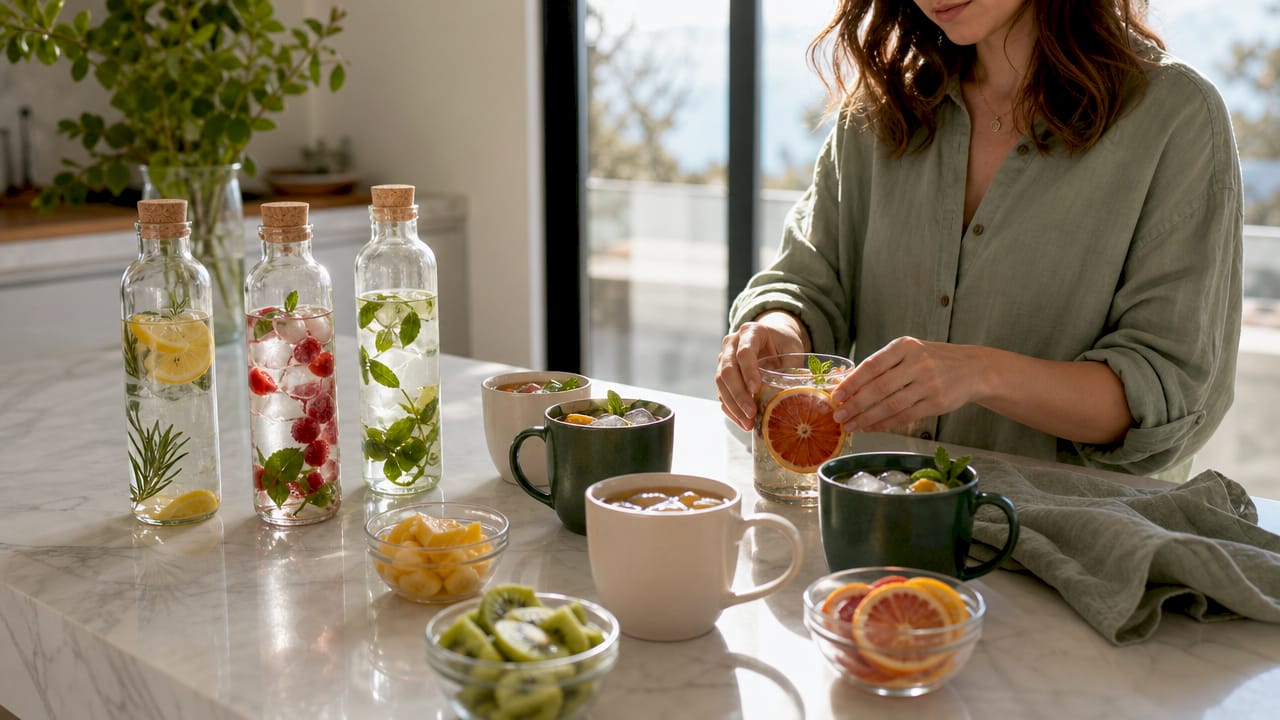
Lemonade and iced tea are the crowd-pleasers that bridge the gap between plain water and specialty drinks. These two categories typically cover 35 to 40% of consumption at casual parties. Batch them in large dispensers so guests can self-serve without creating a line.
Specialty non-alcoholic drink options fill the remaining share and are where you can get creative:
- Mocktails (Virgin Mojito, Shirley Temple, citrus spritz)
- NA beers and NA wines (note: some contain up to 0.5% ABV, relevant for guests in recovery)
- Functional botanical drinks (adaptogen sodas, kombucha, shrubs)
- THC seltzers for adult-only events where legal (zero-calorie options from Tryfloral work well here)
Pro Tip: Carbonation and acidity are your best friends for making alcohol-free drinks feel satisfying and complex. A splash of tonic water or fresh lime juice transforms a simple juice into something worth sipping slowly.
2. How to calculate beverage quantities for your guest count
Quantity planning is where most hosts make their biggest mistakes, either running out mid-party or drowning in leftovers. The standard formula is straightforward: 2 drinks per guest in the first hour, then 1 drink per guest for each hour after. A three-hour party for 20 guests means roughly 80 drinks total.
For outdoor or hot-weather events, increase your total by 20 to 30% to account for higher consumption rates. Heat drives thirst faster than most hosts anticipate, and running out of cold drinks at a summer cookout is one of the most avoidable hosting failures.
Here is a quick reference table for common party sizes and durations:
| Guests | 2-hour party | 3-hour party | 4-hour party | Outdoor adjustment |
|---|---|---|---|---|
| 10 | 30 drinks | 40 drinks | 50 drinks | Add 6 to 10 |
| 20 | 60 drinks | 80 drinks | 100 drinks | Add 12 to 20 |
| 30 | 90 drinks | 120 drinks | 150 drinks | Add 18 to 30 |
| 50 | 150 drinks | 200 drinks | 250 drinks | Add 30 to 50 |
Ice is a separate calculation that most hosts underestimate. Plan for 1 to 1.5 pounds of ice per guest for indoor or casual events. For outdoor or cocktail-style parties, increase that to 2 pounds per person. On days above 90°F, budget 2.3 pounds per guest. That number accounts for both drink chilling and the faster melt rate in the heat.
Pro Tip: Always separate serving ice from chilling ice. Keep one cooler dedicated to chilling bottles and cans, and a separate ice bucket for drinks. This protects food safety and keeps your serving ice clean and uncontaminated.
3. How to set up a drink station that feels as good as the main bar
The biggest mistake hosts make with non-alcoholic options is not the drink selection. It is the presentation. Non-alcoholic drinks should be presented as equal and intentional, not tucked in a corner with a two-liter bottle and a stack of plastic cups.
Position your alcohol-free station directly next to the main bar. Physical placement signals to guests that these options are just as worth their attention. Use the same quality of glassware: coupe glasses for mocktails, tall glasses for spritzers, and mason jars for punches. Proper glassware and garnishes like citrus wheels, fresh herbs, and rim salts significantly improve how guests perceive and enjoy their drinks.
Here is what a well-designed alcohol-free station includes:
- 3 to 4 curated drink options (not 10, which overwhelms guests)
- Labeled recipe cards so guests know what they are making or choosing
- Garnish tray with citrus slices, mint sprigs, and cocktail picks
- Proper glassware matched to each drink type
- A self-serve element where guests add their own sparkling water or ice
A self-serve mocktail bar built around one or two flavor bases with mixers and garnishes keeps lines short and drink quality high. Guests add sparkling water or their preferred mixer to suit their own taste, which also preserves carbonation better than pre-mixing everything in advance.
Batch-making punch bowls and pitchers simplifies service at larger gatherings. Chill any sparkling components separately and add them just before guests arrive to preserve the fizz.
4. Mocktail recipes and party drink ideas that work for all ages
A strong mocktail menu covers three flavor profiles: bright and citrusy, herbal and refreshing, and sweet and fruity. That range satisfies both kids and adults without requiring a separate menu for each group.
Here are five reliable recipes to anchor your beverage preparation list:
- Virgin Mojito: Muddle fresh mint with lime juice and simple syrup. Top with sparkling water and ice. Garnish with a mint sprig and lime wheel.
- Shirley Temple: Combine ginger ale with grenadine and a splash of orange juice. Serve over ice with a maraschino cherry.
- Citrus Spritz: Mix equal parts fresh grapefruit juice and tonic water. Add a rosemary sprig and a salted rim for an adult-feeling presentation.
- Sparkling Cranberry Punch: Combine cranberry juice, orange juice, and ginger beer in a large pitcher. Add frozen cranberries as both garnish and ice substitute.
- Cucumber Mint Water: Infuse still water with sliced cucumber, fresh mint, and a squeeze of lemon for 30 minutes before serving.
Pro Tip: Simple syrup is the secret weapon of great mocktails. Make flavored versions with lavender, ginger, or hibiscus by simmering equal parts sugar and water with your chosen ingredient for 10 minutes. These syrups keep in the fridge for two weeks and add depth that plain juice cannot match.
For large groups, batch punches are the most practical choice. A batch punch approach keeps the drink line moving and lets you focus on your guests instead of playing bartender all night. Prepare the base the day before and add sparkling elements right before serving.
If you are hosting an adult-only event and want to offer something beyond mocktails, low-calorie non-alcoholic party drinks like THC seltzers from Tryfloral give guests a social experience with a mild, functional effect and zero alcohol.
5. How to tailor your checklist for different party types
Not every party needs the same drink menu. The guest mix, setting, and occasion all change what you should prioritize on your alcohol-free party tips list.
| Party type | Water % | Lemonade/tea % | Specialty drinks % | Key notes |
|---|---|---|---|---|
| Family/kids event | 50% | 35% | 15% | Avoid anything with trace alcohol |
| Outdoor summer BBQ | 45% | 30% | 25% | Add 20 to 30% more total volume |
| Formal dinner | 30% | 20% | 50% | Focus on NA wines and botanical drinks |
| Office gathering | 40% | 35% | 25% | Keep flavors neutral and widely appealing |
| Adult-only celebration | 30% | 20% | 50% | THC seltzers or NA craft cocktails fit here |
For family events with children, remove any NA beers or wines that contain trace alcohol. Some alcohol-free products contain up to 0.5% ABV, which matters for guests in recovery, pregnant guests, or parents serving kids. Always label your ingredients clearly so guests can make informed choices.
Outdoor summer parties require the largest adjustments. Increase your total drink volume by 20 to 30%, prioritize cold water and electrolyte options, and double your ice supply. For formal dinners, shift the balance toward specialty drinks and invest in quality glassware. For eco-conscious gatherings, consider reusable cups and bulk beverage dispensers to reduce single-use plastic waste.
The benefits of alcohol-free social drinks extend beyond individual guest preferences. Offering a thoughtful, well-presented non-alcoholic menu signals to every guest that their comfort and enjoyment matter equally.
Key takeaways
A successful non-alcoholic beverage party checklist requires balancing drink variety, accurate quantity formulas, and intentional presentation to create an inclusive experience for every guest.
| Point | Details |
|---|---|
| Cover all drink categories | Include water, lemonade or iced tea, and specialty mocktails to satisfy every preference. |
| Use the quantity formula | Plan 2 drinks per person for the first hour, then 1 per hour after, and add 20 to 30% for outdoor heat. |
| Ice planning matters | Budget 1 to 1.5 lbs of ice per guest indoors and up to 2.3 lbs per guest on hot days. |
| Presentation equals the main bar | Place the NA station next to the main bar with proper glassware, garnishes, and labeled recipe cards. |
| Label ingredients clearly | Identify trace alcohol in NA beers and wines so guests in recovery or with restrictions can choose safely. |
What I have learned from hosting without a solid drink plan
The first time I hosted a summer party without a proper beverage checklist, I ran out of sparkling water by hour two and spent the rest of the night apologizing. The alcohol-free guests, who made up about a third of the group, were left with warm tap water and a half-empty bottle of lemonade. That experience taught me more about inclusive hosting than any guide I have read since.
The most common mistake I see other hosts make is treating non-alcoholic drinks as an obligation rather than an opportunity. A well-made Virgin Mojito in a proper glass with a mint garnish gets as much attention as any cocktail on the table. Guests notice when you have put thought into their options, and that attention to detail shapes the entire mood of the event.
Garnishes are not decorative extras. They are signals to your guests that the drink in their hand was made with care. A citrus wheel, a sprig of rosemary, or a salted rim takes 10 seconds and completely changes how a drink is received. I now treat the garnish tray as non-negotiable, regardless of party size.
My practical advice: build your non-alcoholic station first, before you plan anything else. Once you have that foundation right, the rest of the party falls into place more naturally than you expect.
— Adam
Upgrade your party with Tryfloral’s ready-to-serve options
Planning a great non-alcoholic drink menu takes time, but Tryfloral makes the specialty drink category easy. Their THC seltzers are zero-calorie, farm-to-fridge fresh, and designed specifically for social occasions where guests want something interesting without alcohol. They fit directly into your drink station alongside mocktails and sparkling water, and they give adult guests a genuinely fun option.
For hosts who want a more elevated presentation, Tryfloral’s THC craft cocktails arrive ready to serve, with no mixing required. Every product is crafted with the same care you are putting into the rest of your party. For adults 21 and older, please enjoy responsibly and check your local regulations before serving THC beverages at gatherings.
FAQ
How many non-alcoholic drinks should I plan per person?
Plan for 2 drinks per guest in the first hour, then 1 drink per guest for each additional hour. A four-hour party for 20 guests requires roughly 100 drinks total.
How much ice do I need for a non-alcoholic party?
Budget 1 to 1.5 pounds of ice per guest for indoor events and up to 2 pounds per guest for outdoor or warm-weather parties. On days above 90°F, increase that to 2.3 pounds per person.
Do alcohol-free beers and wines contain any alcohol?
Some NA beers and wines contain up to 0.5% ABV, which matters for guests in recovery or those with strict dietary restrictions. Always read labels and communicate ingredients clearly to your guests.
What are the best mocktail recipes for a large party?
Batch punches like sparkling cranberry punch and citrus spritz are the most practical for large groups. Prepare the juice base in advance and add sparkling water or ginger beer just before serving to preserve carbonation.
Where should I place the non-alcoholic drink station?
Position it directly next to the main bar with matching glassware and garnishes. Physical placement and presentation signal to guests that alcohol-free options are equally worth choosing.
Recommended
- Best Low Calorie Non-Alcoholic Party Drinks in 2026 – Floral Beverages
- What makes a beverage non-alcoholic? A guide for health-conscious sipp – Floral Beverages
- Top benefits of alcohol-free social drinks for gatherings – Floral Beverages
- Non-Alcoholic Networking Drinks Explained for Modern Events – Floral Beverages
