

An alcohol-free evenings wellness routine is a deliberate set of calming habits designed to replace drinking with activities that improve sleep, mood, and energy. Adults who adopt this approach consistently report better mornings, lower anxiety, and stronger emotional resilience. The core techniques include wind-down cues, nervous system regulation, journaling, and non-alcoholic beverage rituals. Research confirms that sleep quality improves within 7 to 14 days of starting a consistent routine. That timeline makes this one of the fastest-returning wellness investments you can make.
What does an alcohol free evenings wellness routine actually include?
An alcohol-free evenings wellness routine covers four core elements: a wind-down cue, a calming beverage, a nervous system reset, and a brief reflection practice. Each element serves a specific function. Together, they signal to your brain that the day is over and recovery can begin.
Alcohol disrupts REM sleep and increases nighttime awakenings, leaving you less rested even after a full night in bed. Replacing that habit with intentional rituals removes the disruption and lets your body do what it was built to do.
The four building blocks
- Wind-down cue: A consistent signal that ends your workday. This could be changing clothes, dimming lights, or brewing a warm drink. The cue trains your nervous system to shift gears.
- Non-alcoholic beverage: A drink that satisfies the sensory ritual of holding a glass and sipping something enjoyable. Sparkling water, herbal tea, magnesium mocktails, or a low-calorie THC seltzer all work well here.
- Nervous system reset: A short practice that lowers cortisol. Breathing exercises, gentle stretching, or a 10-minute walk all qualify.
- Reflection practice: Journaling, gratitude notes, or a body scan. This clears cognitive clutter before sleep.
Pro Tip: Dim your lights by 50% at least 60 minutes before bed. Lower light levels trigger melatonin production faster than any supplement.
The table below shows how each element compares on time, cost, and ease of starting.
| Routine element | Time needed | Typical cost | Ease of starting |
|---|---|---|---|
| Wind-down cue | 1–2 minutes | Free | Very easy |
| Non-alcoholic beverage | 5–10 minutes | $0–$5 per serving | Easy |
| Nervous system reset | 6–15 minutes | Free to moderate | Easy to moderate |
| Reflection practice | 5–10 minutes | Free (pen and paper) | Moderate |
How do you build a personalized sober evening routine step by step?
Building a personalized routine works best when you treat it as a sequence, not a checklist. Each step flows into the next, creating a natural arc from the end of your workday to the moment you close your eyes.
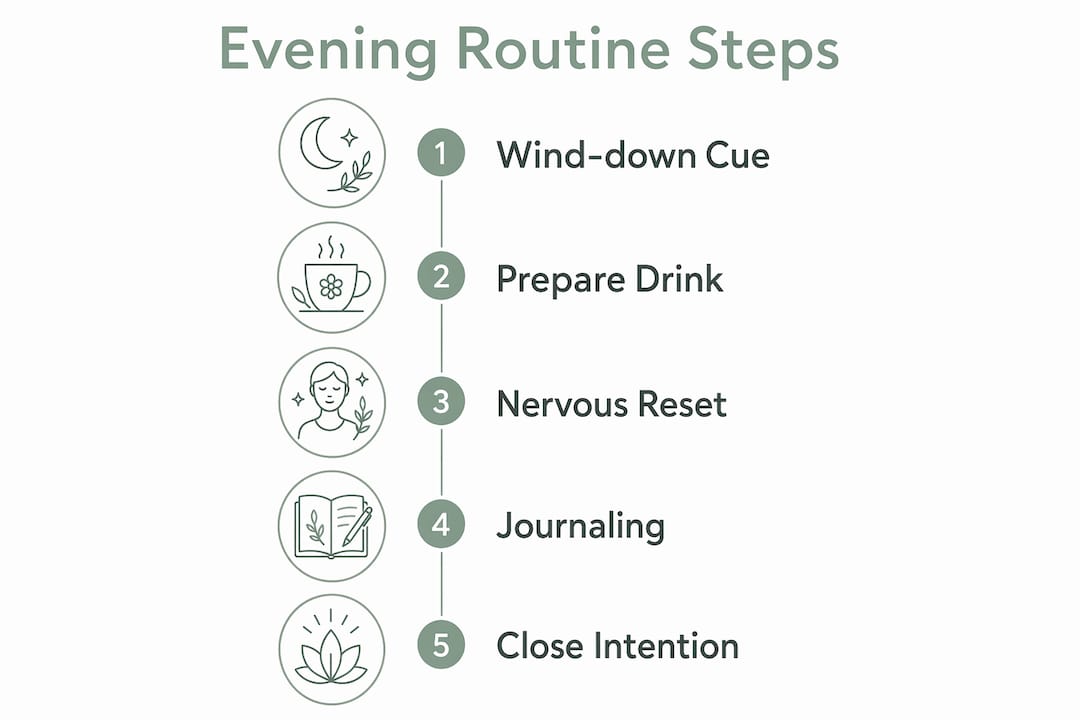
Step 1: Set a consistent wind-down cue
Pick one physical action that marks the end of your day. Changing out of work clothes is the most reliable option because it creates a clear sensory break. Do it at the same time every evening, even on weekends. Consistency is what turns a behavior into a cue.
Step 2: Prepare your evening drink
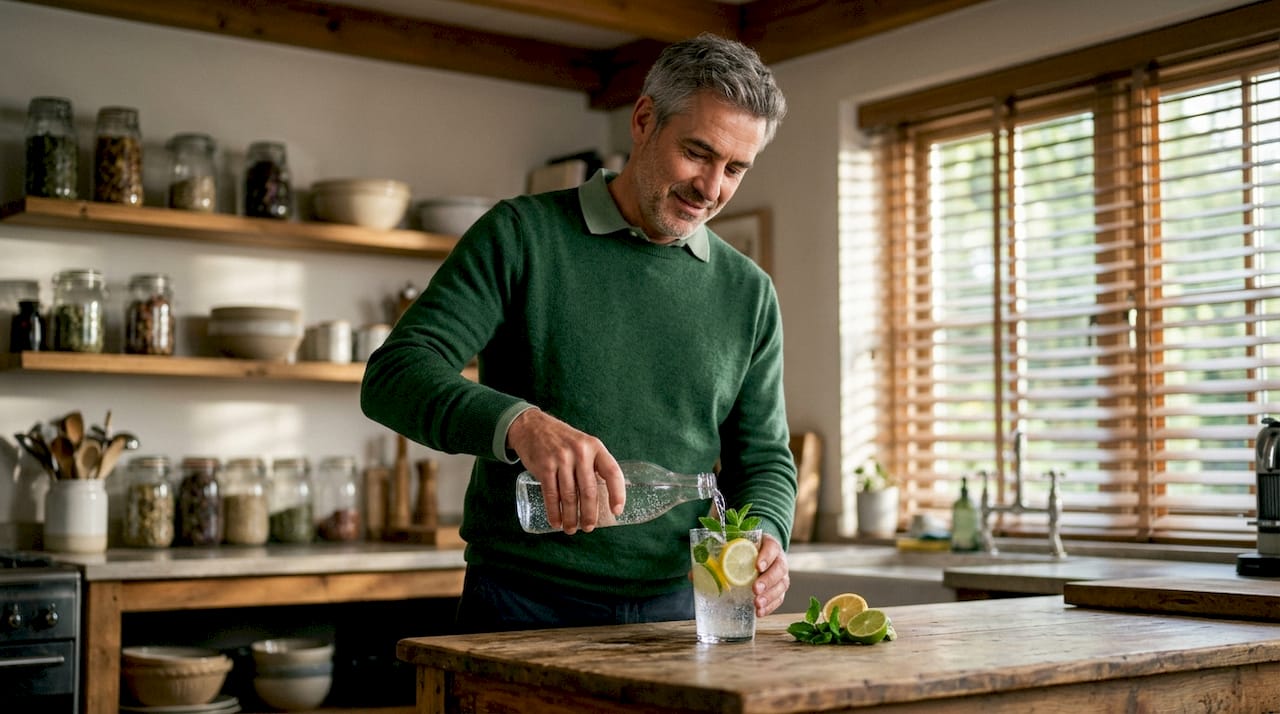
Replacing the drinking ritual with an intentional non-alcoholic beverage satisfies the sensory habit without the negative effects. Pour your drink into a nice glass. The glass matters more than most people expect. Your brain associates the physical act of holding a drink with relaxation, so keeping that act while changing the contents breaks the alcohol dependency without fighting the urge head-on. Options like CBD drinks for relaxation or sparkling botanical seltzers work especially well here.
Step 3: Do a 6-minute nervous system reset
Effective wind-down practices can be as short as 6 minutes: 3 minutes of slow breathing, 2 minutes of gratitude reflection, and 1 minute of body awareness. That minimum dose is enough to shift your nervous system from sympathetic (alert) to parasympathetic (recovery) mode. You do not need a 45-minute yoga class to get results.
Step 4: Journal for 5 minutes
Write three things that happened today and one thing you want to let go of. Mindful evening routines reduce nighttime rumination by processing the day’s experiences before sleep. You are not writing a diary entry. You are clearing your mental RAM so your brain stops running background tasks while you sleep.
Step 5: Close the evening with intention
Turn off screens, set your phone to do-not-disturb, and read or listen to something calm for 15–20 minutes. This is your buffer zone between the world and sleep.
Pro Tip: If you have less than 30 minutes, compress the routine to steps 2, 3, and 4 only. A shorter version beats skipping it entirely every time.
What sober leisure activities replace alcohol-centered evenings?
The most effective sober leisure activities are the ones that meet the same emotional need alcohol previously filled. Matching your activity to the function alcohol served improves long-term adherence significantly. If alcohol relieved stress, physical activity works better than a creative hobby. If it provided social connection, group activities outperform solo ones.
Activities by emotional need
- Stress relief: Walking, yoga, swimming, or cycling. Regular physical activity lowers cortisol and rebuilds dopamine sensitivity over weeks, making emotional recovery progressively easier.
- Mental escape: Reading fiction, watching films, playing video games, or learning a new skill like cooking or photography.
- Social connection: Game nights, hiking groups, fitness classes, sober social clubs, or community volunteer programs.
- Creative expression: Painting, writing, music, woodworking, or gardening. These activities produce a flow state that alcohol mimics but cannot replicate cleanly.
Sober leisure activities range from completely free to moderately priced. Walking costs nothing. A yoga drop-in class runs $15–$25. A recreational sports league costs $50–$150 per season. Most people spend less on sober evenings than they did on alcohol.
| Activity type | Cost range | Social factor | Best for |
|---|---|---|---|
| Walking or hiking | Free | Low to high | Stress relief, mental clarity |
| Yoga or stretching | $0–$25 per session | Low to moderate | Nervous system reset |
| Creative hobbies | $0–$50 startup | Low | Mental escape, expression |
| Group fitness or sports | $50–$150 per season | High | Social connection, accountability |
| Sober social events | Free to moderate | High | Community, fun without pressure |
Structuring social events around activities rather than venues removes the pressure to drink. A board game night at home, a cooking class, or a group hike gives everyone something to do. That shared focus makes alcohol irrelevant rather than conspicuously absent.
How do you handle cravings and stay consistent with healthy evening habits?
Cravings in the evening are almost always ritualistic, not physical. Automatic drink triggers are sensory cues: the sound of a bottle opening, the weight of a glass, the smell of a particular room at a particular time. Recognizing that distinction changes how you respond to them.
The most reliable strategies for staying consistent include:
- Substitute the physical act, not just the drink. Keep the glass. Change what’s in it. Your brain responds to the ritual, and the ritual can be satisfied without alcohol.
- Start small in the first 90 days. Simple 15-minute resets like stretching or breathwork build the foundation without burning you out. Complex new hobbies can wait.
- Pre-schedule social accountability. Sober social habits last longer when they are pre-scheduled and tied to another person. A standing Wednesday walk with a friend removes the daily decision entirely.
- Build in flexibility. Missing one evening does not break a routine. Treating a skip as a failure does. Give yourself a recovery rule: if you miss a night, do a 5-minute version the next morning instead.
“Simplicity and flexibility in early routine adoption prevent burnout and improve consistency within the critical first 90 days. Start with what you can actually do, not what looks good on paper.”
Pro Tip: Write your routine on a sticky note and put it on your bathroom mirror. Seeing it every evening removes the mental effort of deciding what to do next.
Key Takeaways
An alcohol-free evenings wellness routine produces measurable improvements in sleep and mood within 7 to 14 days when built around consistent cues, calming beverages, and short nervous system resets.
| Point | Details |
|---|---|
| Results come fast | Sleep and energy improvements appear within 7–14 days of consistent practice. |
| Sensory rituals matter | Keeping the glass but changing the drink satisfies cravings without alcohol. |
| Match activity to need | Choose sober activities based on what alcohol previously provided for best adherence. |
| Start with 6 minutes | A 6-minute breathing and gratitude practice is enough to shift your nervous system into recovery mode. |
| Schedule social accountability | Pre-planned sober social events outlast willpower-dependent ones every time. |
What I’ve learned from watching people actually stick with this
The biggest mistake I see adults make when building an alcohol-free evening routine is trying to replace alcohol with discipline. They white-knuckle through cravings, swap wine for sparkling water they don’t enjoy, and wonder why it feels like deprivation. That framing is the problem.
The routines that actually stick are the ones built around genuine pleasure. A drink you look forward to. An activity that genuinely interests you. A social setup that feels fun, not medicinal. When the evening feels like a reward rather than a restriction, the routine maintains itself.
The physiological piece also gets underestimated. Alcohol is widely treated as a relaxation tool, but it actively fragments deep sleep and suppresses REM cycles. Adults who switch to intentional evening rituals often describe the first two weeks as the most well-rested they have felt in years. That experience becomes its own motivation.
My honest advice: pick one element from this guide and do it tonight. Not the whole routine. One thing. The cue, the drink, or the 6-minute reset. Build from there. Consistency at a small scale beats ambition that collapses after three days.
— Adam
Tryfloral fits naturally into your evening wind-down
Tryfloral makes farm-to-fridge THC seltzers with zero calories and a mild, enjoyable buzz. They are built for exactly the kind of mindful sipping that replaces the wine ritual without the next-morning regret.
The full range of THC seltzers includes flavors like Harvest Apple, Tropical, and Strawberry Mango. Each can is low in calories, easy to store in your fridge, and perfect for sharing at a sober social gathering or enjoying solo during your evening reset. Tryfloral’s farm-to-fridge process means you know exactly what you’re drinking. For adults 21 and older looking for a genuinely enjoyable alcohol alternative, it’s worth keeping a few cans on hand. Please enjoy responsibly.
FAQ
What is an alcohol-free evenings wellness routine?
An alcohol-free evenings wellness routine is a structured set of calming habits, including wind-down cues, non-alcoholic beverages, breathing exercises, and journaling, that replace drinking and support better sleep and mood.
How quickly will I notice results from a sober evening routine?
Most adults notice improvements in sleep quality and morning energy within 7 to 14 days of consistent practice.
What are the best non-alcoholic drinks for an evening routine?
Herbal teas, magnesium mocktails, sparkling water in a nice glass, and zero-calorie THC seltzers all satisfy the sensory ritual of drinking without disrupting sleep.
How do I handle social situations without alcohol?
Structure social events around activities like game nights, cooking classes, or group hikes. Pre-scheduling with a friend adds accountability and removes the daily decision to participate.
Can a sober evening routine help with anxiety?
Regular nervous system resets through breathing, stretching, and mindful sipping lower cortisol over time. Physical activity also rebuilds dopamine sensitivity, which makes emotional regulation progressively easier across weeks.
Recommended
- Romantic Date Night Without Alcohol: A Complete Guide (2026) – Floral Beverages
- Wellness Drinks Replacing Wine: Best Examples for Adults – Floral Beverages
- Dry January 2027: Complete Guide to Going Alcohol-Free – Floral Beverages
- Best Non-Alcoholic Drinks for Sleep: What Actually Works – Floral Beverages
