

You’re standing in front of a cooler full of THC beverages, and every single one claims to be “natural,” “pure,” or “better for you.” The front labels look great, but turn the can around and the ingredient panel tells a very different story. If you’re in Illinois or Indiana and you’ve been trying to swap out alcohol for something cleaner, that label confusion is real and completely understandable. This guide walks you through exactly what clean means in a cannabis beverage, what state regulations require on the label, and how to confidently spot the products that live up to their claims.
Table of Contents
- What does “clean” mean for cannabis beverages?
- Regulations and labeling: What to look for in Illinois and Indiana
- Step-by-step: How to identify clean THC beverage ingredients
- Common mistakes and misleading claims
- Our perspective: Why real transparency beats marketing — what experienced drinkers know
- Discover truly clean THC beverages crafted for you
- Frequently asked questions
Key Takeaways
| Point | Details |
|---|---|
| Transparency is key | Genuinely clean THC beverages disclose all ingredients and offer access to lab verification, not just marketing claims. |
| Illinois and Indiana differ | Illinois’ labels are more comprehensive, while Indiana requires careful ingredient checks by the consumer. |
| Emulsifiers can be clean | Functional food-grade emulsifiers are sometimes needed for THC drinks and are safe if clearly listed on the label. |
| Watch for hidden additives | Avoid drinks with vague ingredients like ‘natural flavors’ or those lacking clear lab reports. |
| Marketing is not proof | Trust transparency and independent testing over buzzwords and front-label claims. |
What does “clean” mean for cannabis beverages?
Before you can evaluate a label, you need a working definition. In the cannabis beverage world, “clean” generally refers to a short, recognizable ingredient list with no unnecessary chemicals, artificial additives, or synthetic preservatives. Think: water, real or botanical-derived flavors, hemp-derived cannabinoids, and a clearly identified stabilizer. That’s it.
The tricky part? Stable THC beverages are not as simple to formulate as a glass of water with flavor added. THC is oil-soluble, and water is, well, water. Getting the two to mix requires some form of emulsifier or surfactant. According to formulation research, some ingredient approaches used to make THC workable in water-based drinks require emulsifiers or surfactants, so a clean label may still include functional food-grade emulsifiers as long as they are clearly listed.
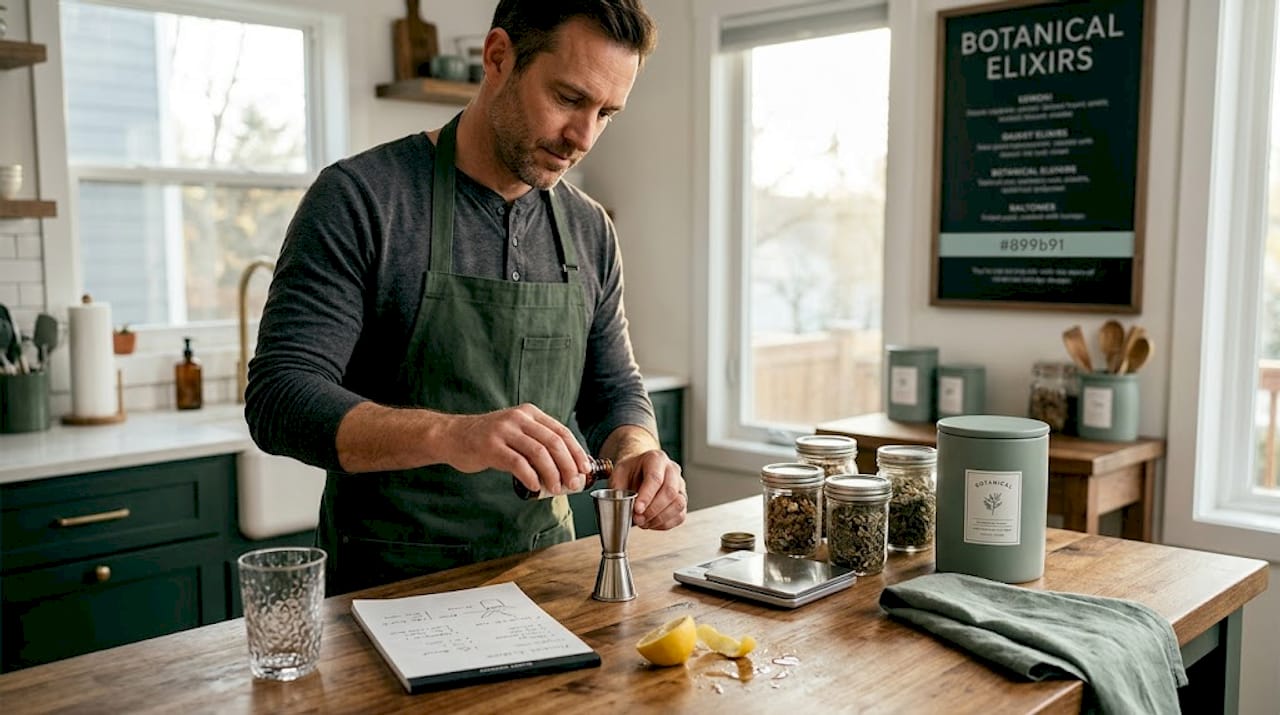
This is an important nuance that most shoppers miss entirely. A product using sunflower lecithin or acacia gum as an emulsifier can still be a genuinely clean choice, provided those ingredients are fully disclosed and sourced responsibly. A product hiding its emulsifiers under vague phrases like “stabilizer blend” is a different story.
Here’s what a clean ingredient deck typically looks like versus one that raises flags:
| Clean ingredients | Less desirable ingredients |
|---|---|
| Purified water | Sodium benzoate (synthetic preservative) |
| Real fruit juice or botanical extract | Artificial colors (Red 40, Yellow 5) |
| Hemp-derived THC distillate | “Flavors” with no further description |
| Sunflower lecithin (emulsifier) | Polysorbate 80 (synthetic emulsifier) |
| Organic cane sugar or stevia | High-fructose corn syrup |
| Citric acid (naturally derived) | Artificial sweeteners (sucralose, acesulfame K) |
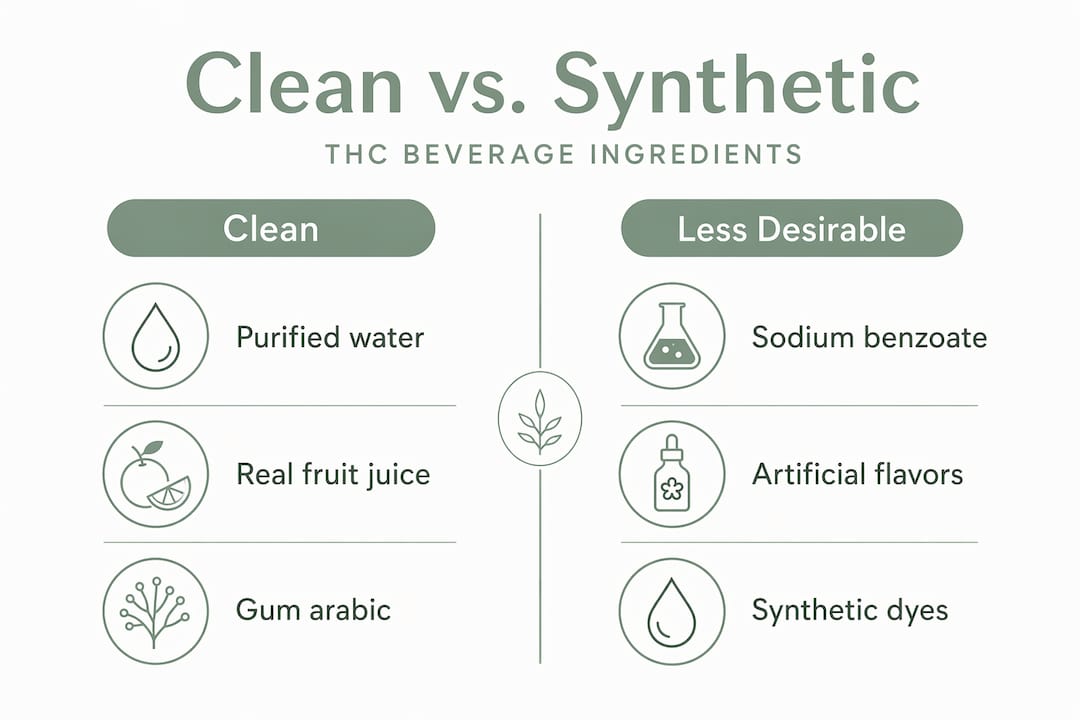
A solid benchmark: if you can read every ingredient out loud and explain where it comes from, you’re likely looking at a genuinely clean product. If reading the label feels like a chemistry quiz, that’s a signal worth taking seriously.
Core attributes of a clean THC beverage:
- Minimal ingredient count (typically fewer than ten items)
- No vague umbrella terms like “natural flavors blend” without specifics
- Emulsifiers are named and food-grade
- No synthetic colors or artificial preservatives
- Cannabinoid source is clearly identified as hemp-derived
If you’re also thinking about using these drinks at gatherings, our guide on non-alcoholic networking drinks covers how clean THC options fit naturally into social settings. And if you want broader context on what health-forward beverage choices look like, this health-conscious beverage guide breaks down key factors for ingredient-aware shoppers.
Pro Tip: Not every emulsifier is a red flag. When a product lists sunflower lecithin or gum arabic by name and traces it back to a food-grade source, that level of transparency is actually a positive signal, not a warning sign.
Regulations and labeling: What to look for in Illinois and Indiana
With a clear sense of what “clean” means, you can now approach the label itself with more confidence. But it helps to know what your state actually requires brands to print on that label before you start reading.
Illinois has some of the more detailed cannabis labeling requirements in the country. Illinois cannabis products sold through licensed dispensaries must include a complete ingredient list for infused products along with other standardized labeling elements. That means you have a legal right to see every ingredient on a licensed THC beverage sold in Illinois. Batch and lot information is also typically required, which connects each unit you buy back to documented production records and testing.
Indiana operates under a different framework. The state’s hemp-derived cannabinoid regulation shapes the market for THC beverages there, and it’s important to understand that compliance with hemp law does not automatically mean a product has a clean ingredient deck. Indiana buyers should treat clean ingredients as a label-reading exercise rather than a guarantee, because the regulatory framework focuses more on cannabinoid compliance than ingredient minimalism.
Here is a quick comparison of what each state’s labeling landscape looks like for shoppers:
| Labeling element | Illinois | Indiana |
|---|---|---|
| Full ingredient list required | Yes (licensed dispensaries) | Not explicitly mandated statewide |
| Batch or lot number | Typically required | Varies by brand |
| Cannabinoid content disclosure | Required | Required under hemp rules |
| Third-party COA mandated | Not on label, but batch testing required | Not mandated, voluntary |
| Safety warnings | Required | Required |
Knowing this table, here’s a practical process for checking a product’s compliance and cleanliness when you pick it up:
- Locate the ingredient panel. It should be clearly printed, not tucked inside a tiny fold or buried under other text.
- Scan for the complete list. Every ingredient must appear, in order of predominance by weight.
- Look for batch or lot numbers. These connect the product to testable production data.
- Check for a QR code or lab report link. This is voluntary but a strong signal of a trustworthy brand.
- Identify any vague terms. Words like “flavors,” “blend,” or “proprietary mix” without specifics deserve a closer look.
“Transparency on the label is your best tool. You don’t have to trust advertising, just the facts you can verify.”
If a brand is committed to ingredient sourcing transparency, that philosophy shows up directly on the label before you ever take a sip. Brands that genuinely invest in clean formulas tend to be proud of their ingredient lists, and it shows. If you’re exploring what premium looks and tastes like in this category, this guide to premium THC beverages in 2026 is a helpful reference.
Step-by-step: How to identify clean THC beverage ingredients
Now that you know what to look for on labels and why, let’s break down exactly how to evaluate each product in practice.
Every clean THC beverage should have four core elements visible on its ingredient panel: water, real fruit or botanical-based flavors, hemp or cannabis extract, and a clearly identified emulsifier if one is needed. If any of those four are missing or obscured, dig deeper before buying.
Here is a practical step-by-step process you can use at any store:
-
Flip the can or bottle before anything else. Ignore the front label entirely at first. The ingredient panel on the back is your actual source of truth.
-
Screen for minimal, recognizable ingredients. A clean product typically has fewer than ten ingredients. If the list runs long or includes chemical-sounding names you can’t easily look up, that’s a signal.
-
Search for batch-level lab tests or certificates of analysis (COAs). A COA is a third-party document that confirms what’s actually in the product, including cannabinoid levels and potential contaminants. As industry analysis points out, evidence and substantiation are common weaknesses in the THC beverage category, with many brands using marketing language that is not independently verified. COAs are how you cut through that.
-
Check for red flags. Specific things to watch for include polyethylene glycols (PEGs), synthetic dyes listed by number (Red 40, Blue 1), sucralose or acesulfame potassium as sweeteners, and any ingredient listed as “proprietary blend” without specifics.
-
Verify the lab’s independence. If a QR code links to a lab report, confirm the lab is a third-party facility unaffiliated with the brand. The report should cover cannabinoid potency, residual solvents, heavy metals, and pesticides at minimum.
-
Compare the label to the brand’s stated values. If a brand says “farm to fridge” or “natural ingredients” on the front but lists synthetic preservatives on the back, there’s a disconnect worth noting.
Our farm-to-fridge transparency page is one example of how a brand can make this process easier by publishing sourcing and testing information openly, so you don’t have to dig for it.
Pro Tip: If a product’s QR code leads to a generic homepage instead of an actual batch-specific COA, treat that as a transparency gap. Real lab documentation is specific to the lot number printed on the product you’re holding.
Common mistakes and misleading claims
Even with step-by-step tools, shoppers can still get tripped up. The marketing around THC beverages has become sophisticated enough that misleading claims feel polished and credible. Here are the five most common mistakes to watch for.
The top five mistakes shoppers make:
- Trusting front-label buzzwords. Terms like “pure,” “natural,” “clean,” and “artisan” have no regulated definition in beverage labeling. They’re marketing language, not ingredient standards.
- Skipping the lab report review. Per recent industry analysis, the majority of brands in this category have not submitted products for independent scrutiny. That’s a significant gap between what’s claimed and what’s verified.
- Ignoring the fine print. Allergen statements, “contains less than 0.5% of” disclosures, and “flavors” catch-alls often hide ingredients that wouldn’t survive closer inspection.
- Missing subtle additives. Carrageenan, certain gums, and some forms of citric acid derived synthetically can sneak into ingredient panels under innocuous names. Not all of them are harmful, but knowing they’re there is part of making an informed choice.
- Assuming regulatory compliance equals a clean product. Compliance means a brand followed the rules. It does not mean the product has a minimal or ideal ingredient profile. That evaluation is still yours to make.
A related pitfall is over-trusting a product just because it lacks alcohol. Being alcohol-free is a great attribute, but it doesn’t automatically make a THC beverage clean or health-forward. You still need to do the label work. If you’ve been exploring alternatives to heavily marketed options in the THC space, our breakdown of popular THC seltzer alternatives covers how to compare your options fairly.
This is also where the smart THC drink approach pays off. If you haven’t read through this smart THC drink guide, it covers a lot of the same territory from a consumer experience angle, including how to enjoy a mild, clean buzz without the drawbacks you’d get from alcohol.
Our perspective: Why real transparency beats marketing — what experienced drinkers know
Here’s the honest truth about the clean-label conversation in cannabis beverages: it’s become easy for brands to perform transparency without actually practicing it. A QR code looks credible. A “farm-to-fridge” headline sounds trustworthy. A minimalist label feels clean. But none of those things replace actual disclosed ingredients and independently verified testing.
The experienced drinkers in this space, people who’ve been navigating THC beverages for a few years now, have largely stopped reading the front label first. They go straight to the ingredient panel and the COA. They’ve learned that the brands truly committed to clean formulation are not shy about it. The ingredient list is short. The emulsifiers are named. The lab report is batch-specific and linked prominently.
What conventional wisdom gets wrong is the idea that a higher price point or a prettier can equals higher quality ingredients. We’ve seen budget options with genuinely transparent, minimal ingredient decks and premium-priced products with ingredient lists that would surprise you. Price is not a proxy for cleanliness.
The brands worth trusting are the ones that make it easy to verify what you’re buying, not just easy to feel good about it. And that distinction matters for health-conscious adults who are choosing THC beverages as a real, intentional replacement for alcohol, not just a novelty.
“A clean beverage isn’t something a brand declares. It’s something you can actually verify, sip after sip.”
If you want to see what that standard looks like in practice, our premium beverage guide walks through the specific attributes that separate genuinely elevated products from well-packaged ones.
Discover truly clean THC beverages crafted for you
You now have practical tools to read labels, evaluate lab reports, and spot the difference between marketing language and real ingredient transparency. The next step is putting those tools to use on products that hold up to the standard.
At Floral, we build every beverage around a farm-to-fridge philosophy. That means a short, recognizable ingredient list, hemp-derived cannabinoids, and clearly disclosed sourcing from seed to can. Our Floral THC craft cocktails are designed for health-conscious adults who want a social, enjoyable experience without the drawbacks of alcohol or the uncertainty of mystery ingredients. You can read through the full farm-to-fridge ingredient story to see exactly how we source and formulate. No vague claims, just facts you can check.
Frequently asked questions
Which ingredients should I always avoid in THC beverages if I want clean options?
Avoid products with undisclosed artificial flavors, synthetic colors, high-intensity artificial sweeteners, or ambiguous emulsifiers that are not food-grade or named. According to THC beverage formulation research, food-grade emulsifiers can be part of a clean label when they are clearly listed.
Are lab tests or QR codes required on THC beverage labels in Illinois or Indiana?
Lab tests are not required to appear on the label itself, but Illinois mandates full ingredient lists for licensed infused products; some brands voluntarily offer third-party COAs via QR code for added transparency beyond the legal minimum.
Do clean THC drinks always have no emulsifiers?
Not necessarily. Many clean-drink formulations rely on clearly labeled, food-grade emulsifiers for stability, so the key distinction is transparency about what emulsifier is used and where it comes from, not the complete absence of emulsifiers. Formulation research supports this distinction.
How do Indiana laws impact the definition of “clean” for hemp-derived beverages?
Indiana’s hemp regulation framework focuses on cannabinoid compliance rather than ingredient minimalism, so buyers should scrutinize labels independently since regulations don’t guarantee a clean ingredient deck.
Is “natural flavors” a red flag on a THC beverage label?
“Natural flavors” can sometimes cover multiple or less-desirable additives under a single broad term; seek brands that specify exactly which flavor sources they use so you know precisely what you’re consuming.
