

Calorie-free THC drinks are cannabis-infused beverages with zero or near-zero calories that deliver THC’s relaxing effects without the sugar load or alcohol content of traditional drinks. The benefits of calorie-free THC drinks go well beyond skipping a few calories. Research from the University at Buffalo shows that 62.6% of adults reduced or stopped alcohol after switching to cannabis beverages, with average weekly alcohol intake dropping from 7.02 to 3.35 drinks. For health-conscious adults 21 and over, that combination of calorie savings and alcohol reduction makes non-caloric THC drinks one of the more practical social alternatives available right now.
1. Benefits of calorie-free THC drinks vs. alcoholic beverages
The calorie gap between alcohol and THC drinks is significant. A standard beer runs 150 calories, a glass of wine sits around 120 to 150 calories, and a cocktail can easily hit 200 to 300 calories per serving. A zero-calorie THC seltzer, by contrast, delivers 400+ calories saved across a three-drink night compared to three beers. That is a meaningful difference for anyone tracking their intake.
Alcohol contributes what nutritionists call empty calories: no protein, no fiber, no micronutrients. THC itself contributes negligible caloric value when consumed in the milligram doses found in beverages. The result is a drink that fits a calorie-conscious lifestyle without requiring you to skip the social ritual of holding a drink.
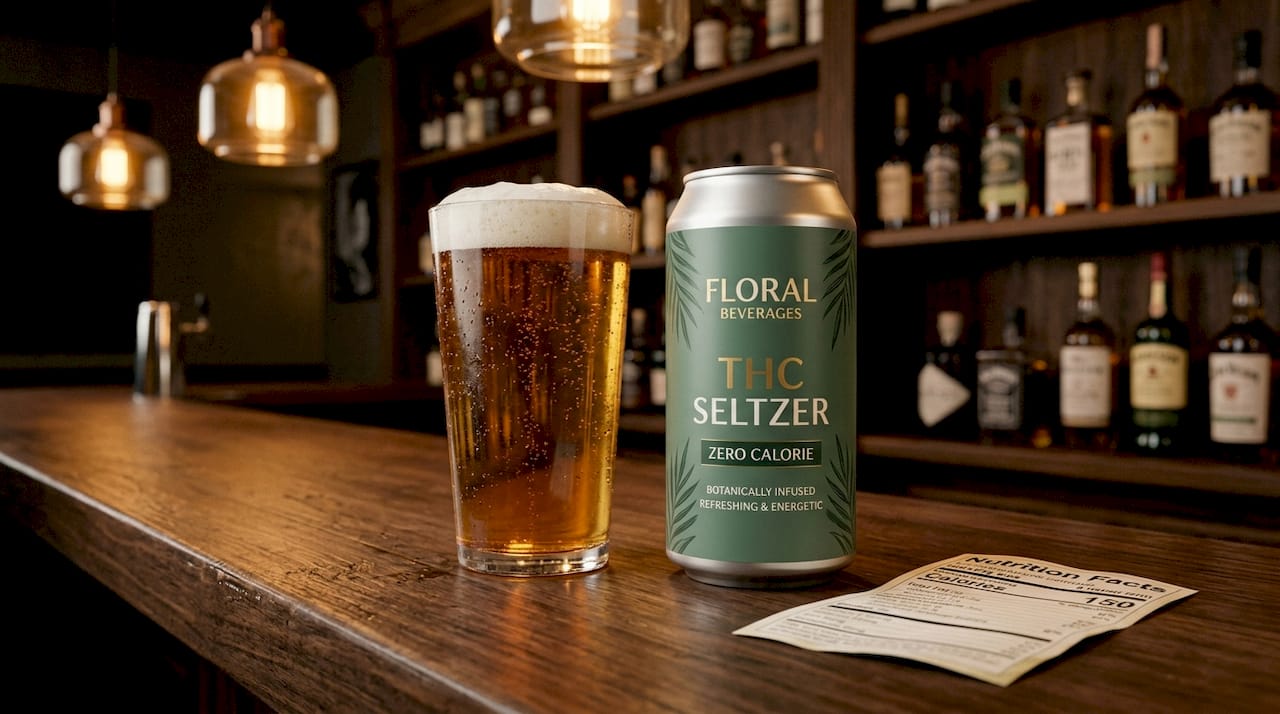
The substitution effect is where the real health benefit lives. Calorie-conscious drinkers benefit most when they replace alcohol with THC drinks rather than adding THC drinks on top of their usual alcohol intake. The calorie math only works in your favor when substitution is the goal.
Pro Tip: Read the full ingredient list before buying any THC beverage. Some products labeled “low calorie” still contain added sugars or juice concentrates. A genuinely zero-calorie option will list carbonated water, natural flavors, and hemp-derived THC with no sweeteners.
| Drink type | Typical calories per serving |
|---|---|
| Regular beer (12 oz) | 150 calories |
| Glass of wine (5 oz) | 120 to 150 calories |
| Cocktail (mixed) | 200 to 300 calories |
| Zero-calorie THC seltzer | 0 calories |
2. How THC drinks support alcohol reduction
The University at Buffalo study is the most cited piece of evidence in this space, and for good reason. Adults who started using cannabis beverages saw their weekly alcohol intake drop from an average of 7.02 drinks to 3.35 drinks. That is more than a 50% reduction in weekly consumption for a meaningful share of participants.
The behavioral reason behind this is straightforward. Drinking a THC beverage mirrors the social act of drinking alcohol closely enough that it satisfies the ritual without the alcohol. You hold a can, you sip, you feel a mild buzz. The similarity in administration is what makes substitution stick for many people, rather than other THC formats like gummies or capsules.
Florida International University research adds another layer. 47% of Florida respondents said they would drink less alcohol if THC beverages were available at bars. That suggests the substitution effect is not just a personal habit shift. It reflects a broader social preference that could reshape how adults drink in public settings.
Key substitution benefits backed by research include:
- Reduced weekly alcohol intake by more than half on average
- Lower frequency of binge drinking episodes
- Maintained social participation without alcohol dependence
- No alcohol-related hangover the following day
- Calorie reduction as a direct result of fewer alcoholic drinks consumed
For a practical guide on making this shift work in your own routine, Tryfloral’s post on switching alcohol to THC drinks covers the transition in detail.
3. Why THC drinks are a low-risk option (with caveats)
THC drinks are not risk-free, and saying otherwise would be misleading. The most important safety factor to understand is delayed onset. When you consume THC orally, onset ranges from 30 minutes to 2 hours, which is much slower than inhalation. That delay creates a real risk of overconsumption if you drink a second or third serving before feeling the first one.
Acute effects from too much THC can include anxiety, elevated heart rate, and impaired coordination. These effects are temporary and not life-threatening for most healthy adults, but they are uncomfortable and avoidable with proper pacing. The risk profile is still lower than alcohol in several important ways: THC does not cause liver damage with moderate use, carries no caloric burden, and does not produce the same physiological dependence pattern as alcohol.
Compared to smoking or vaping cannabis, THC drinks also eliminate respiratory exposure entirely. That matters for health-conscious adults who want the social and relaxation benefits of cannabis without any inhalation risk.
Pro Tip: Treat your first THC drink like a new food allergy test. Start with a low-dose product (2 to 5 mg THC), sip slowly over 45 minutes, and wait a full hour before deciding whether to have another. Pacing is the single most effective harm-reduction strategy for oral THC consumption.
The Harm Reduction Journal notes that substitution patterns vary widely between individuals, which means your experience with THC drinks may differ significantly from someone else’s. Long-term public health research on cannabis beverage substitution is still developing, so staying informed and starting conservatively is the right approach.
4. How regulations are shaping THC beverage availability
The regulatory picture for THC beverages is shifting fast, and it directly affects what products you can buy and how strong they are. A proposed federal rule would cap THC beverages at 0.4 mg THC per serving by 2026. Most products currently on shelves contain 5 to 10 mg per serving, which means the proposed cap would require six or more drinks to achieve what one current product delivers.
That gap between the proposed limit and current market norms is generating significant pushback from both consumers and producers. The Columbian reports that THC drink sales have grown substantially as craft beer markets contract, with younger adults driving the shift. A 0.4 mg cap would effectively make most current products non-viable, which is why the rule is being contested.
For consumers, the practical takeaway is this: product availability and potency may change depending on where you live and what rules take effect. Checking local legality and reading product labels for exact THC content per serving is not optional. It is the baseline for consuming these products responsibly.
| Regulatory scenario | THC per serving | Drinks needed for mild effect |
|---|---|---|
| Current market standard | 5 to 10 mg | 1 drink |
| Proposed 2026 federal cap | 0.4 mg | 6 or more drinks |
| State-level medical rules | Varies by state | Varies |
Label transparency matters more than brand marketing. A product that clearly states milligrams of THC per serving, lists all ingredients, and includes a QR code for third-party lab results is the standard you should expect from any reputable THC beverage brand.
5. Why THC drinks are a discreet option for social settings
One of the most underrated advantages of calorie-free cannabis drinks is how naturally they fit into social environments. A THC seltzer in a can looks identical to a sparkling water or hard seltzer. There is no smoke, no vapor, no smell, and no paraphernalia. You can enjoy it at a backyard gathering, a rooftop event, or a dinner party without drawing attention or requiring explanation.
Compare that to other THC consumption methods. Smoking or vaping produces visible output and a distinct odor. Edibles like gummies are effective but feel more like taking a supplement than participating in a social drink ritual. THC drinks occupy a unique middle ground: they deliver the relaxation effect while matching the social behavior of drinking.
Brands targeting health-conscious adults have responded to this with products designed for the occasion. Tryfloral’s farm-to-fridge approach produces THC seltzers with clean ingredient lists and measured doses, built specifically for adults who want a social drink that fits their wellness goals. The low-calorie cannabis drink category has grown to include a range of flavors and formats that make it easy to find something that suits your taste.
Practical reasons why THC drinks work well for social occasions:
- No odor or visible vapor makes them appropriate in most social settings
- Standard can or bottle format blends in with other beverages
- Pre-measured doses remove the guesswork of other THC formats
- No preparation required, just open and sip
- Widely available in flavors that appeal to non-cannabis consumers
Key takeaways
Calorie-free THC drinks deliver their greatest health benefit when used as a direct substitute for alcohol, cutting both calorie intake and weekly drink totals by more than half for many adults.
| Point | Details |
|---|---|
| Calorie savings are real | Three zero-calorie THC seltzers save 400+ calories compared to three beers. |
| Substitution drives the benefit | 62.6% of adults reduced alcohol after switching to cannabis beverages. |
| Delayed onset requires pacing | THC onset takes 30 minutes to 2 hours, so sip slowly and wait before re-dosing. |
| Regulations are changing | A proposed 0.4 mg cap per serving could reshape current product availability by 2026. |
| Discretion is a real advantage | THC drinks look and feel like regular beverages, making them easy to use in social settings. |
What I’ve learned watching the THC drink category grow
I have watched the zero-calorie THC beverage space go from a niche curiosity to a genuine category with real consumer demand, and the shift is more interesting than most coverage gives it credit for. The calorie angle gets the headlines, but the deeper story is about what people are actually replacing when they reach for a THC seltzer instead of a beer.
Most adults I talk to are not choosing THC drinks because they are obsessed with cutting 150 calories. They are choosing them because they want to participate in social drinking without the next-day fog, the empty calories, or the creeping tolerance that comes with regular alcohol use. The calorie benefit is a bonus. The behavioral shift is the point.
What I find genuinely useful about the current research from the University at Buffalo and Florida International University is that it confirms what many consumers already suspected: substitution works, and it works at scale. A 50% reduction in weekly alcohol intake is not a marginal improvement. It is a meaningful change in how people relate to alcohol.
My practical advice is to start with a 5 mg product, give it a full hour, and treat the first few sessions as calibration rather than recreation. The brands worth trusting are the ones with clear lab results, honest dosing labels, and no inflated health claims. Tryfloral fits that description, and their carbonated THC drinks guide is a good starting point if you want to understand what you are actually drinking before you buy.
— Adam
Try Tryfloral’s zero-calorie THC seltzers
If you are ready to put these benefits into practice, Tryfloral makes it straightforward. Their farm-to-fridge THC seltzers are zero calories, precisely dosed, and built for adults who want a clean social drink without the alcohol.
Tryfloral’s THC seltzer lineup includes options like the Harvest Apple THC Seltzer, which delivers measured THC in a crisp, sessionable format with no sugar and no compromise. Every product is made with transparent ingredient lists and third-party tested for potency. Whether you are stocking your fridge for the weekend or looking for something to bring to a gathering, Tryfloral gives you a reliable, calorie-free option that fits the occasion.
FAQ
What are the main benefits of calorie-free THC drinks?
Calorie-free THC drinks offer zero calories per serving, no alcohol, and a relaxing effect that supports social participation. Research shows adults who substitute THC drinks for alcohol reduce their weekly intake by more than half on average.
How many calories do THC drinks save compared to alcohol?
Three zero-calorie THC seltzers save over 400 calories compared to three standard beers. A single serving of beer contains around 150 calories, while a zero-calorie THC seltzer contains none.
Are THC drinks safe to use at social events?
THC drinks are generally low risk for healthy adults 21 and over when consumed responsibly. The key safety consideration is delayed onset of 30 minutes to 2 hours, which means you should sip slowly and wait before having a second serving.
Will THC drink regulations change what products are available?
A proposed federal rule would limit THC beverages to 0.4 mg per serving by 2026, down from the current market standard of 5 to 10 mg. This could significantly reduce product availability and potency, so checking local laws and product labels is important.
Why are THC drinks considered a discreet option?
THC drinks come in standard cans or bottles with no odor, smoke, or visible vapor, making them indistinguishable from sparkling water or hard seltzer in most social settings. Pre-measured doses also remove the guesswork associated with other THC formats.
Recommended
- Low Calorie Cannabis Drink Explained for Adults 21+ – Floral Beverages
- How to build an alcohol-free social life with THC drinks – Floral Beverages
- Carbonated THC drinks calories guide: Choose smart, sip lighter – Floral Beverages
- Why THC Beverages Replace Wine for Mindful Drinkers – Floral Beverages
