

Terpenes are aromatic compounds found in cannabis that define the flavor, aroma, and effect profile of every cannabis drink you consume. The role of terpenes in cannabis drinks goes well beyond taste. Terpenes like limonene, myrcene, linalool, and pinene interact directly with cannabinoids like THC and CBD to shape how a beverage makes you feel, not just how it smells. Two drinks with identical THC doses can produce noticeably different experiences based entirely on their terpene profiles. Recent research and formulation science confirm that terpenes differentiate user experiences even when THC content is the same, making terpene literacy one of the most practical skills you can develop as a cannabis beverage consumer.
What is the role of terpenes in cannabis drinks?
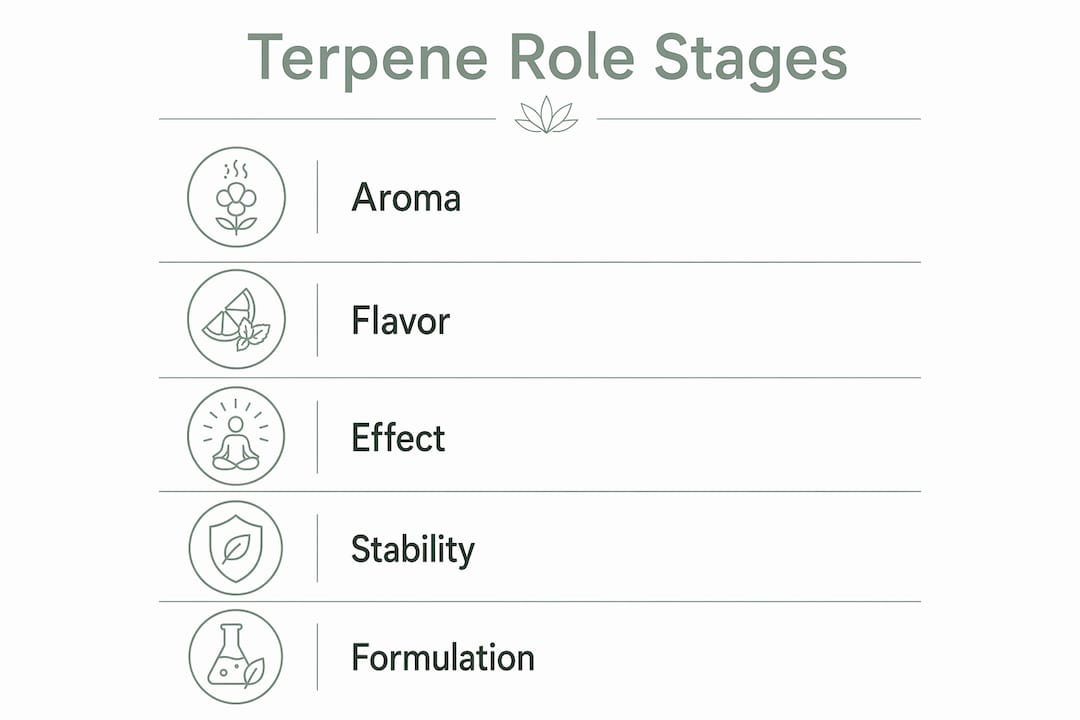
Terpenes do three things in a cannabis beverage: they create aroma, define flavor, and modulate the effects you feel from cannabinoids. This three-part function is what separates a thoughtfully formulated drink from a product that simply delivers THC.
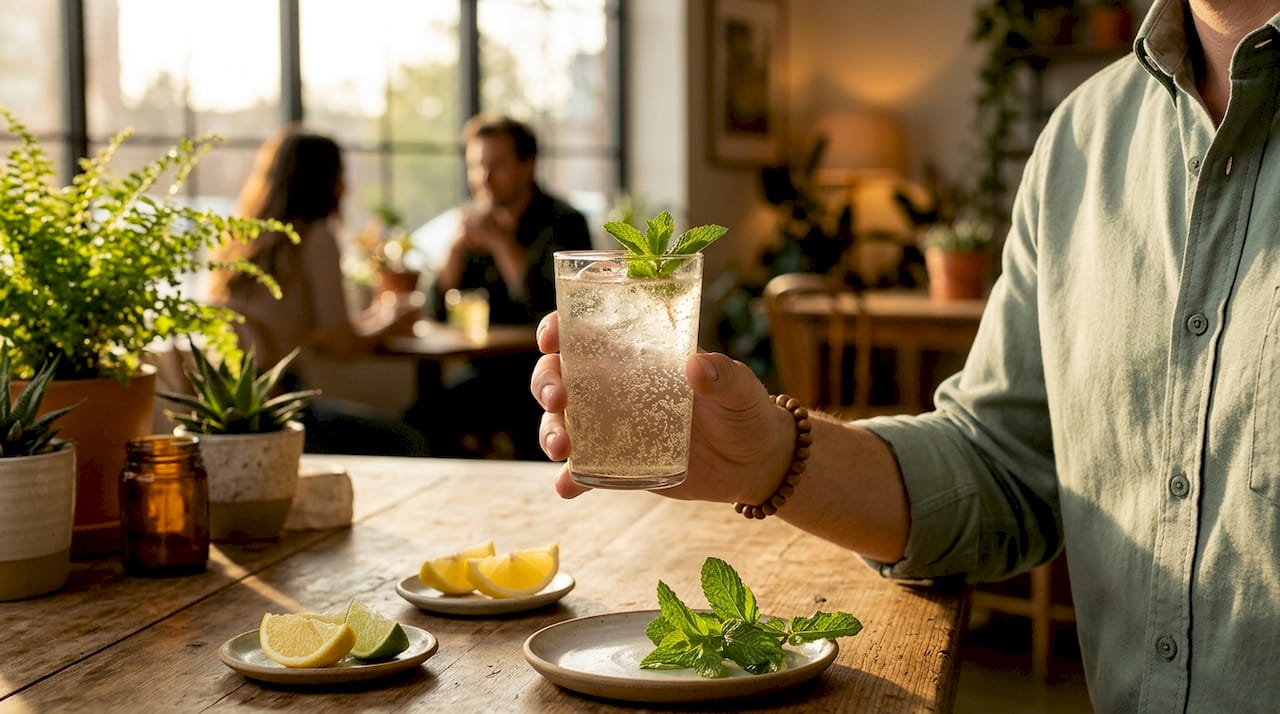
The concept behind terpene-cannabinoid interaction is called the entourage effect. The entourage effect describes synergistic interactions among cannabinoids, terpenes, and flavonoids that produce distinctive effects beyond what isolated cannabinoids deliver on their own. Think of it this way: THC is the engine, but terpenes are the steering wheel. They help direct where the experience goes.
Scientific support for the entourage effect is real but nuanced. Some terpenes activate CB1 receptors and show additive effects with cannabinoids, while others show no direct receptor interaction at all. This means the entourage effect is not a simple on/off switch. It varies by terpene, by dose, and by the individual consuming the drink.
Beverages add another layer of complexity. Emulsification, the process used to blend oil-based cannabis extracts into water-based drinks, directly affects how terpenes behave. Emulsification influences terpene volatility and absorption kinetics in ways that smoking or eating cannabis does not. When you drink a cannabis beverage, the terpene delivery pathway is fundamentally different from inhaling or digesting an edible.
- Limonene is associated with uplifting, energetic feelings
- Myrcene promotes calm and physical relaxation
- Linalool produces soothing, floral-forward effects
- Pinene is linked to mental clarity and focus
Pro Tip: When shopping for cannabis drinks, look for products that list specific terpene profiles on the label rather than vague descriptors like “indica” or “sativa.” Lab-tested terpene data gives you a much more reliable preview of what to expect.
How do terpenes shape flavor and aroma in cannabis beverages?
Terpenes are the primary architects of cannabis drink flavor profiles. THC itself is nearly tasteless. Every citrus note, earthy undertone, or floral finish you detect in a cannabis beverage comes from its terpene composition.
Here is how the four most common terpenes express themselves in a drink:
- Limonene delivers bright citrus notes. Beverages formulated with limonene tend to taste like lemon, orange, or grapefruit and are often positioned as daytime or social drinks.
- Myrcene brings earthy, slightly herbal flavors. It is the most abundant terpene in most cannabis strains and gives drinks a grounded, mellow character.
- Linalool adds a soft floral quality, similar to lavender. It works well in sparkling waters and light seltzers designed for evening use.
- Pinene contributes a fresh, piney, almost herbal sharpness. It pairs naturally with botanical drink bases and cucumber or mint flavor profiles.
The beverage matrix itself changes how these terpenes taste. pH, carbonation, and sweetness levels strongly influence how terpenes express flavor and aroma in cannabis drinks. A limonene-forward terpene blend will taste sharper in a high-acid sparkling water than in a lightly sweetened still drink. This is why two products with the same terpene profile can taste noticeably different depending on the base beverage. Understanding how terpenes and cannabinoids combine in different formats helps explain these sensory differences.
Terpenes are also potent at very low concentrations. Formulators recommend starting with low terpene addition rates and adjusting based on sensory evaluation rather than pushing for maximum intensity. Too much terpene content creates harsh, medicinal flavors that undermine the drinking experience. Sensory balance is the goal, not terpene saturation.
Pro Tip: If a cannabis drink tastes overwhelmingly herbal or medicinal, that is often a sign of over-terpening. A well-formulated drink should taste like a beverage first, with terpene character as a complement rather than the dominant note.
What challenges affect terpene stability in cannabis drinks?
Terpene stability is one of the hardest problems in cannabis beverage production. Terpenes are volatile by nature, meaning they evaporate, oxidize, and degrade faster than most other compounds in a drink.
Heat, light, and oxygen are the three main enemies of terpene preservation. Cannabis-infused beverages degrade rapidly, with THC levels dropping significantly within a week at ambient temperature. Terpenes follow a similar degradation curve, which means a drink stored improperly can lose both its flavor character and its intended effect profile before you even open it.
Stability in a beverage is not just about the terpenes themselves. It is a systems problem. Emulsions age over time through processes like creaming and sedimentation, which affect how consistently terpenes are distributed per serving. A drink that tested well at production may deliver an inconsistent experience three months later if the emulsion was not properly stabilized.
| Stability threat | Effect on terpenes | Best practice |
|---|---|---|
| Heat exposure | Accelerates evaporation and oxidation | Store below 70°F, refrigerate after opening |
| Light exposure | Breaks down terpene molecular bonds | Use opaque or dark-tinted packaging |
| Oxygen contact | Causes oxidation and flavor degradation | Minimize headspace, seal tightly |
| Emulsion aging | Uneven terpene distribution per serving | Choose products with stability-tested emulsions |
Key storage habits to protect your cannabis drinks:
- Keep beverages refrigerated or in a cool, dark place
- Avoid leaving drinks in a hot car or direct sunlight
- Consume after opening within the timeframe listed on the label
- Look for opaque or dark packaging as a quality signal
How does beverage formulation affect terpene delivery and effects?
Formulation is where terpene science becomes practical. The way a cannabis beverage is made determines whether its terpene profile actually reaches you intact and in the right form to influence your experience.
Emulsification is the central process. Oil-based cannabis extracts, including terpenes, do not naturally mix with water. Emulsification breaks these extracts into tiny droplets and suspends them in the liquid. Droplet size and carrier composition directly affect terpene delivery and absorption timing. Smaller droplets generally mean faster absorption and more consistent flavor distribution throughout the drink.
Nanoemulsion technology takes this further. Well-controlled droplet size distribution improves both cannabinoid and terpene absorption consistency and flavor uniformity. Poorly characterized nanoemulsions, on the other hand, lead to variability in uptake and sensory experience from sip to sip or bottle to bottle. This is why two products using “nano” technology can feel completely different.
| Formulation type | Terpene behavior | Consumer experience |
|---|---|---|
| Standard emulsion | Moderate droplet size, slower absorption | Gradual onset, less flavor precision |
| Nanoemulsion | Tight droplet control, faster absorption | Faster onset, more consistent flavor and effect |
| Oil-based base | Terpenes remain in lipid phase | Slower, longer-lasting effect curve |
| Water-soluble base | Terpenes disperse evenly in liquid | Cleaner flavor, quicker bioavailability |
Heat during processing is another critical variable. High-temperature processing degrades terpenes before the drink even reaches a consumer. Brands that use cold-process or low-heat formulation methods preserve more of the original terpene character. Checking for clean cannabis beverage ingredients and transparent production methods is a reliable way to identify products that take terpene integrity seriously.
Matching terpene profiles to target effects also matters at the formulation stage. A drink designed for sleep should pair myrcene or linalool with CBD or low-dose THC. A focus-oriented drink pairs better with pinene and a balanced THC-CBD ratio. Formulation is not just chemistry. It is intentional design.
Pro Tip: When evaluating a cannabis beverage brand, ask whether they publish stability data or third-party lab results for terpene content. Brands that test for terpene concentration across shelf life are taking quality seriously.
Key takeaways
Terpenes are the defining factor in cannabis drink flavor and effects, and understanding them gives you real control over your beverage experience.
| Point | Details |
|---|---|
| Terpenes shape effects, not just flavor | Limonene, myrcene, linalool, and pinene each correlate with distinct experiential outcomes beyond THC alone. |
| Entourage effect requires formulation care | Terpene-cannabinoid synergy depends on how a drink is made, not just what it contains. |
| Stability is a real concern | Heat, light, and oxygen degrade terpenes quickly; proper storage and packaging protect your experience. |
| Nanoemulsions improve consistency | Tight droplet size control in nanoemulsions delivers more reliable terpene absorption and flavor per serving. |
| Lab-tested profiles beat vague labels | Lab-tested terpene profiles are more reliable shopping guides than indica or sativa classifications. |
Why terpene literacy is the smartest thing you can develop as a cannabis drinker
I have spent a lot of time looking at cannabis beverages from the inside out, and the single biggest gap I see between consumers who love their experience and those who feel let down is terpene awareness. Most people focus entirely on THC milligrams. That number matters, but it tells you maybe 40% of the story.
The other 60% is terpene profile, formulation quality, and how well the brand has matched those two things to a target experience. A 5mg THC drink with a well-designed linalool and myrcene profile will feel meaningfully different from a 5mg drink with no terpene consideration at all. That difference is real, and it is reproducible when the formulation is done right.
What I find genuinely interesting is the individual variability piece. Biological variables including sex differences can significantly influence behavioral responses to terpene formulations. This means your experience with a given terpene profile may not match your friend’s experience exactly, even drinking the same product. That is not a flaw. It is just biology, and it is worth knowing so you set realistic expectations.
My honest recommendation: start with one terpene at a time. Try a limonene-forward drink on a social occasion. Try a myrcene-heavy option on a quiet evening. Build your own reference points before you start mixing profiles. And always choose brands that publish their terpene data. Transparency is the clearest signal of quality in this category.
— Adam
Discover Tryfloral’s terpene-crafted THC beverages
If you want to put terpene science to work in a drink you can actually enjoy, Tryfloral builds every beverage with terpene balance and stability at the center of the formula.
Tryfloral’s farm-to-fridge approach means terpenes are preserved from cultivation through cold-process formulation and refrigerated delivery. Every product is lab-tested for terpene concentration and cannabinoid content, so you know exactly what you are drinking. Whether you want something uplifting for a social afternoon or something calming for a quiet night, Tryfloral has a flavor and effect profile designed with intention. Explore the Harvest Apple THC Seltzer or the Tropical THC Seltzer to taste the difference terpene craft makes. Please enjoy responsibly. Must be 21 or older to purchase.
FAQ
What do terpenes actually do in a cannabis drink?
Terpenes define the aroma, flavor, and effect direction of a cannabis beverage by interacting with cannabinoids through the entourage effect. They are the reason two drinks with the same THC dose can feel and taste completely different.
Which terpenes are most common in cannabis beverages?
Limonene, myrcene, linalool, and pinene are the most commonly used terpenes in cannabis drink formulations. Each is associated with distinct sensory and experiential outcomes, from energizing to calming.
How should I store cannabis drinks to protect terpene quality?
Keep cannabis beverages refrigerated, away from direct light, and sealed tightly after opening. Heat, light, and oxygen all accelerate terpene degradation and can reduce both flavor quality and effect consistency.
Does the entourage effect actually work in beverages?
Research shows the entourage effect is real but varies by terpene and individual biology. Some terpenes show additive effects with cannabinoids at the receptor level, while others work through different mechanisms. Formulation quality also plays a significant role in whether the effect translates in a drink.
How is a cannabis drink different from an edible when it comes to terpenes?
Cannabis beverages use emulsification to deliver terpenes in a water-based format, which changes absorption timing and flavor expression compared to terpenes in edibles. Drinks typically offer faster onset and more precise flavor control than traditional edibles.
