

Well-formulated THC drinks generally do not cause next-day hangovers similar to those experienced with alcohol. A systematic review published in PMC found that most higher-quality studies report no consistent next-day cognitive impairment after cannabis use in adults. That’s the short answer. The longer one involves dose, timing, formulation, and a few habits worth building before you crack open a can.
TL;DR: Three things that matter most:
- Keep your dose low. Start at a low THC dose and wait to feel the effects before considering more.
- Stop early enough. Finish your last beverage at least a few hours before bed, with water-soluble formulations generally requiring less lead time than oil-based products.
- Skip the alcohol. Mixing THC and alcohol raises impairment and next-day tiredness more than either does alone.
Table of Contents
- What are THC beverages, and how do you read the label?
- How long do THC drink effects actually last?
- Why THC drinks usually don’t cause alcohol-style hangovers
- When can THC drinks still leave you feeling groggy?
- How to choose and use THC drinks to minimize next-day effects
- How do THC drinks compare to alcohol and other cannabis formats?
- What does the research actually say about next-day effects?
- Key Takeaways
- The case for being honest about what “hangover-free” actually means
- Tryfloral’s Floral Beverages are built for clear-headed mornings
- Useful sources and further reading
What are THC beverages, and how do you read the label?
THC beverages come in several formats: sparkling seltzers, tonics, non-alcoholic cocktail-style drinks, and concentrated shots. Each one delivers delta-9 THC, but how fast and how predictably depends almost entirely on the formulation inside the can.
The key split is between nanoemulsified (water-soluble) THC and traditional oil-based edibles. In a standard edible, THC is suspended in fat, which your digestive system must break down before absorption. That process is slow and variable, with onset anywhere from 45 minutes to over two hours. Water-soluble preparations are engineered to increase bioavailability and shorten that window considerably, giving you a faster, more consistent experience that’s much easier to manage.
What to check on the label before you buy
Clear mg-per-serving labeling and batch lab-test transparency are the two most important consumer safeguards against accidental overconsumption. Here’s what to look for:
- mg THC per serving (not just per container)
- Total mg THC per package (a can with two servings at 5 mg each contains 10 mg total)
- A QR code or URL linking to a certificate of analysis (COA) from a third-party lab
- Serving size in fluid ounces, so you know exactly how much liquid equals one dose
Pro Tip: Scan the COA QR code before you buy, not after. A reputable brand will show you exactly what’s in the batch — potency, pesticides, heavy metals. If the label has no lab link, that’s a reason to pause.
A note for U.S. readers: THC beverages are legal under adult-use or medical cannabis laws in many states, but not all. Only consume where your state permits it, and never drive or operate machinery while impaired. Laws vary; check your state’s current rules before ordering.
How long do THC drink effects actually last?
Timing is everything when it comes to waking up clear-headed. The table below shows realistic onset and duration windows by formulation and dose. These ranges reflect what most adults experience; individual metabolism, body weight, and tolerance all shift the numbers.
| Formulation | Dose Band | Onset | Peak | Total Duration |
|---|---|---|---|---|
| Nanoemulsified / water-soluble | Low (5 mg) | 10–30 min | 30 min | about two hours |
| Nanoemulsified / water-soluble | Moderate (5–10 mg) | 30–45 min | 45 min | 2–3 hours |
| Oil-based edible | Low (5 mg) | 45 min | 90 min | 3–5 hours |
| Oil-based edible | Moderate (5–10 mg) | 60 min | 2–3 hours | 4–7 hours |
| Oil-based edible | High (10 mg+) | 60 min | 2–4 hours | 6–8+ hours |
Modern beverage formulations typically produce onset within 10–30 minutes for many users, which is the practical advantage over traditional edibles. You feel the effect while you’re still in the moment, so you’re far less likely to redose too soon and end up with more THC on board than you intended.
For evening use, a practical rule of thumb: if you’re drinking a water-soluble seltzer at 5 mg, finishing by 9 PM gives most adults a clear window before a midnight bedtime. A 10 mg oil-based product consumed at 10 PM is a different story. The longer the duration, the earlier you need to stop.
Why THC drinks usually don’t cause alcohol-style hangovers
Alcohol hangovers happen for a specific set of biological reasons: acetaldehyde (a toxic byproduct of alcohol metabolism) accumulates in the bloodstream, dehydration sets in as alcohol suppresses antidiuretic hormone, and the immune system mounts an inflammatory response that produces fatigue, headache, and nausea. THC doesn’t follow that pathway at all.
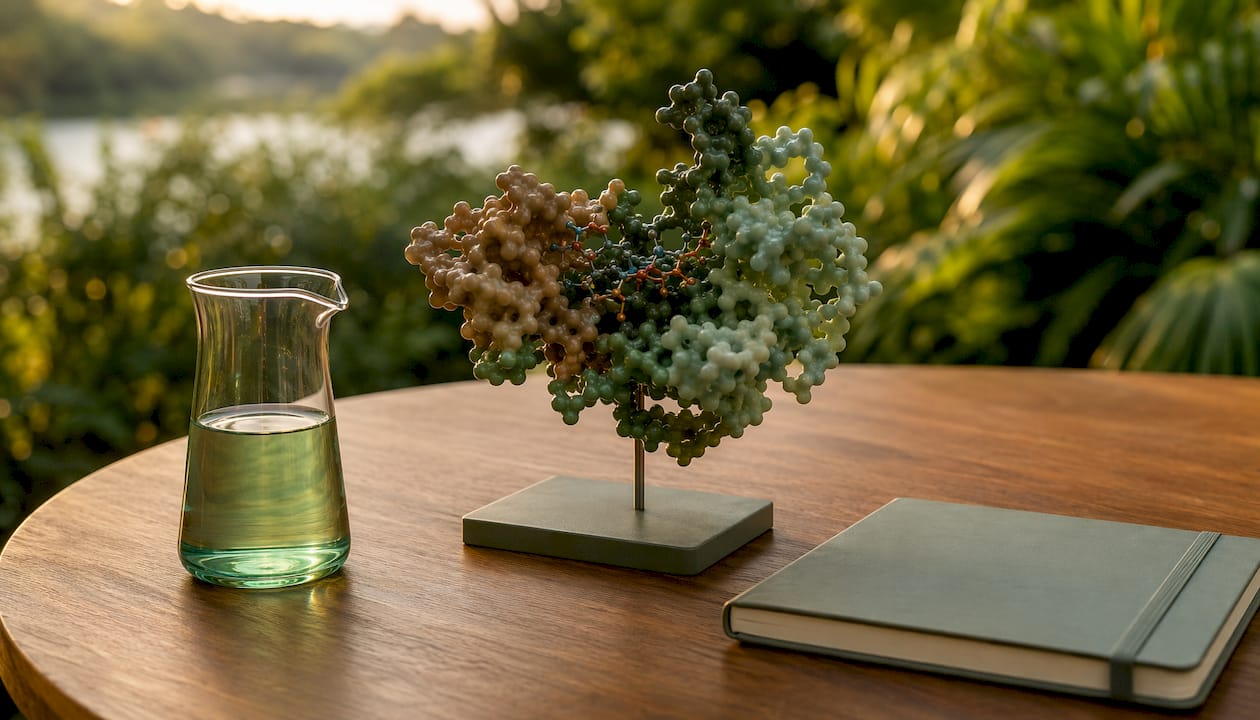
THC is metabolized primarily in the liver via cytochrome P450 enzymes into 11-hydroxy-THC and then into the inactive 11-nor-9-carboxy-THC. None of those metabolites are acutely toxic in the way acetaldehyde is. THC also doesn’t cause the same diuretic effect or the systemic inflammation that makes the morning after a night of drinking so unpleasant.
The PMC systematic review supports this picture: most higher-quality studies found no consistent next-day cognitive impairment after single recreational cannabis use in adults. Some lower-quality studies did suggest small residual effects, but those findings were inconsistent and often involved higher doses or combined use with alcohol.
Key physiological reasons THC drinks are less likely to cause hangovers:
- No acetaldehyde production (the primary hangover toxin from alcohol)
- No significant diuretic effect at typical recreational doses
- No acute inflammatory cascade comparable to alcohol’s immune response
- Faster-onset, lower-dose formulations clear the system more quickly than high-dose edibles
- Appropriate dosing produces a subjective duration of roughly two hours with no crash for many users
That said, “generally no hangover” is not the same as “zero risk in every situation.” The next section covers exactly when things can go sideways.
When can THC drinks still leave you feeling groggy?
THC drinks are low-risk for next-day effects under the right conditions, but several factors can shift that calculus. Knowing them helps you plan.
Risk factors that increase the chance of next-morning grogginess:
- High dose. Taking higher doses, especially in oil-based formats, can extend the duration into the next morning for some adults.
- Late-night use. Consuming a long-duration product close to bedtime means active THC metabolites are still circulating when your alarm goes off.
- Mixing with alcohol. Combining THC and alcohol amplifies impairment and raises the likelihood of next-day fatigue more than either does on its own.
- Low tolerance. If you’re new to cannabis, your endocannabinoid system hasn’t adapted, and even moderate doses can feel stronger and last longer.
- Individual metabolism. Body weight, liver enzyme activity, and fat stores all affect how quickly THC clears your system. People with higher body fat percentages may experience longer durations because THC is lipophilic.
- Older age. Metabolism generally slows with age, which can extend duration and increase sensitivity.
- Certain medications. Some drugs that interact with cytochrome P450 enzymes (including some antidepressants and antifungals) can slow THC metabolism. Check with your prescriber.
- Poor sleep quality. THC can suppress REM sleep, particularly at higher doses. Disrupted sleep architecture leaves you feeling unrested even if you slept a full eight hours.
- Inaccurate product labeling. A can labeled “5 mg” that actually contains 8–10 mg due to poor quality control is a real risk with less reputable brands. This is why third-party lab testing matters.
Pro Tip: If you’re new to THC beverages or trying a new brand, treat the first session as a test run. Take one low-dose serving, wait a full 45 minutes, and assess before deciding whether you want more. That single habit eliminates most next-day risk.
How to choose and use THC drinks to minimize next-day effects
A little structure goes a long way. Here’s a practical checklist you can follow from purchase through the next morning.
Before you buy
- Confirm the product has a third-party COA accessible by QR code or URL.
- Check that mg THC per serving is clearly stated (not just total per package).
- Choose a water-soluble or nanoemulsified formulation for faster, more predictable onset.
- Look for brands that grow and process their own hemp for supply-chain transparency.
- Verify the product is legal in your state before ordering.
Dosing guide
| Experience Level | Starting Dose | Max for Evening Use | Notes |
|---|---|---|---|
| New to THC | 5 mg | 5 mg | Wait 30–45 min before any additional dose |
| Occasional user | 5 mg | 10 mg | One beverage is usually sufficient |
| Regular user | 5–10 mg | 10 mg | Know your tolerance; still start conservatively |
| High tolerance | 10–10 mg | 10 mg | Long-duration risk increases above 10 mg |
Step-by-step use sequence for a clear morning
- Choose your product. Pick a water-soluble seltzer or tonic with clear mg-per-serving labeling and a verifiable COA.
- Eat something first. A light meal or snack slows absorption slightly and smooths the experience.
- Set a stop time. For a midnight bedtime, finish your last water-soluble beverage by 9–10 PM. For oil-based products, stop by 7–8 PM.
- Start with one serving. Pour half a can if the full serving exceeds your target dose.
- Wait 30–45 minutes. Resist the urge to redose before you’ve felt the full effect.
- Hydrate. Alternate with water throughout the evening. THC doesn’t dehydrate you the way alcohol does, but staying hydrated supports better sleep.
- Skip the alcohol. This is the single most impactful decision for protecting your morning.
- Wind down intentionally. Dim lights, reduce screen time, and give your body time to transition to sleep naturally.
- Plan for 7–9 hours of sleep. Even a well-timed, low-dose THC drink benefits from a full night’s rest.
For sleep support on evenings when you want additional wind-down help, some adults pair their THC beverage with a CBN and CBD sleep blend to support natural sleep onset. This is a personal choice; consult your doctor if you’re on any medications.
How do THC drinks compare to alcohol and other cannabis formats?
Understanding where THC beverages sit relative to other options helps you make a confident choice for any occasion.
| Format | Onset | Peak Intensity | Duration | Next-Day Grogginess Risk | Titratability |
|---|---|---|---|---|---|
| Alcohol (beer/wine) | 30 min | 45 min | 3–6 hours | High (acetaldehyde, dehydration) | Moderate |
| Smoked / vaped cannabis | 2–10 min | 30 min | 1–3 hours | Low to moderate | High |
| Traditional oral edibles | 45 min | 2–4 hours | 4–8+ hours | Moderate to high (high dose) | Low |
| Water-soluble THC beverage | 10–45 min | 30 min | about two hours | Low (at appropriate dose) | High |
Water-soluble THC beverages occupy a useful middle ground. They’re faster than traditional edibles, which makes them much easier to dose accurately. They’re slower and longer-lasting than inhalation, which suits a social setting where you want a sustained, mild effect rather than an immediate spike. And unlike alcohol, they don’t produce the toxic metabolites or dehydration that drive morning-after misery.
The one format that beats a THC beverage for speed and controllability is inhalation. But for most social adults who want something to hold at a dinner party or share with friends, a seltzer is a more practical and socially familiar format. The alcohol alternative framing resonates for a reason: it fits the same social ritual without the hangover trade-off.
Where THC beverages fall short is at high doses or with oil-based formulations consumed late at night. In those scenarios, the duration extends enough that next-day effects become a real possibility, which is why formulation choice and timing matter as much as the product itself.
What does the research actually say about next-day effects?
The strongest available evidence comes from a systematic review published in PMC that examined studies on next-day effects of cannabis use in adults. The headline finding: most higher-quality studies do not show a reliable next-day cognitive deficit after single recreational cannabis use. Some lower-quality studies suggested small residual effects, but those findings were inconsistent across study designs.
A few important caveats from the research:
- Study limitations are real. Many studies used mixed dosing protocols, variable timing of cognitive tests relative to intoxication, and small sample sizes. That makes it hard to draw firm universal conclusions.
- Dose matters in the literature too. Studies using higher doses were more likely to find residual effects, consistent with the practical guidance above.
- Inhalation vs. ingestion. Much of the existing research used smoked or vaped cannabis, not beverages. The faster clearance of inhalation may produce different next-day profiles than high-dose oral edibles.
- Mixing confounds results. Studies that didn’t control for concurrent alcohol use are harder to interpret, since alcohol independently causes next-day impairment.
The National Center for Complementary and Integrative Health notes that cannabis research is still evolving and that individual responses vary considerably. That’s an honest summary of where the science stands.
Research-backed takeaways:
- Single-use, appropriately dosed cannabis in adults is unlikely to produce measurable next-day cognitive impairment based on the best available evidence.
- Dose and timing are the variables most consistently associated with residual effects in the literature.
- Mixing cannabis with alcohol increases next-day risk beyond what either substance produces alone.
- Product quality and accurate labeling are practical consumer safeguards that the research doesn’t always account for but matter enormously in real-world use.
This article is general educational information, not medical or legal advice. Confirm current laws in your state and consult a qualified healthcare professional for guidance specific to your situation.
Key Takeaways
THC drinks with no next-day effects are achievable for most adults when you choose a water-soluble formulation from a lab-tested brand, keep your dose at 5–10 mg or below, stop drinking at least two hours before bed, and skip the alcohol entirely.
| Point | Details |
|---|---|
| Formulation determines onset | Water-soluble / nanoemulsified beverages onset in 10–45 min and clear faster than oil-based edibles. |
| Dose is the biggest lever | Staying at 5–10 mg or below significantly reduces the chance of residual morning effects. |
| Avoid mixing with alcohol | Combining THC and alcohol raises next-day fatigue more than either does alone. |
| Timing protects your morning | Finish your last water-soluble beverage at least 2–3 hours before bed; oil-based products need more lead time. |
| Tryfloral offers lab-tested options | Tryfloral’s farm-to-fridge seltzers and non-alcoholic cocktails come with clear mg-per-serving labeling and third-party COAs. |
The case for being honest about what “hangover-free” actually means
The evidence is genuinely reassuring: well-dosed THC beverages, chosen carefully and consumed responsibly, are unlikely to leave you groggy the next morning. But the phrase “hangover-free” gets used loosely in this category, and that looseness does consumers a disservice.
What the systematic review actually shows is that most higher-quality studies find no consistent next-day impairment after single recreational use. That’s not the same as a guarantee for every person at every dose. The people who wake up feeling off after a THC drink almost always have a clear reason: they took too much, they took it too late, they mixed it with alcohol, or they bought a product with questionable labeling. Those are preventable outcomes, not random ones.
The more useful framing isn’t “THC drinks are hangover-free” as a categorical claim. It’s “THC drinks can be hangover-free when you use them thoughtfully.” That’s a higher bar to clear in marketing copy, but it’s the honest one, and it’s the one that actually helps people make good decisions. The science supports the optimistic case. The practical checklist in this article is what makes it true for you specifically.
Tryfloral’s Floral Beverages are built for clear-headed mornings
If you want a THC beverage you can actually trust for evening use, Tryfloral’s Floral Beverages line is worth a close look. Every product is grown and processed in-house, from farm to fridge, which means the supply chain is short and the quality controls are tight. The seltzers and non-alcoholic cocktails use water-soluble THC for faster, more predictable onset, and every batch comes with third-party lab testing you can verify before you buy.
The farm-to-fridge process is what separates Tryfloral from brands that source from third-party processors and hope the labeling holds up. For adults who care about knowing exactly what’s in their drink and how it’s going to feel, that transparency is the practical difference between a good morning and a rough one.
For a low-impact evening option, the Harvest Apple THC Seltzer is a clean, zero-calorie choice with clear per-serving dosing that fits the 5 mg starting range recommended above. You can build your own case online and have it delivered directly to your door.
Available to adults 21+ in eligible U.S. states. Please enjoy responsibly.
Useful sources and further reading
- The “Next Day” Effects of Cannabis Use: A Systematic Review (PMC) — The primary peer-reviewed evidence base for the headline claim; covers higher-quality studies on next-day cognition after cannabis use in adults.
- Cannabis, Marijuana, and Cannabinoids: What You Need to Know (NCCIH) — Authoritative federal health overview of cannabis research, effects, and individual variability.
- The Role of Water Soluble THC in Cannabis Beverages (Tryfloral) — Technical explainer on nanoemulsification and why it matters for onset and titration.
- Delta-9 THC Drinks, Explained (Tryfloral) — Practical guide to labeling conventions, dosing, and what to look for before you buy.
- Smart Guide to THC Drinks: Enjoy Without the Hangover (Tryfloral) — Consumer-facing guidance on avoiding next-day effects, including the case against mixing with alcohol.
- THC Beverage Hangover Free Explained for Adults (Tryfloral) — Brand educational piece focused on morning clarity and responsible use practices.
