

Functional non-alcoholic drinks are defined as beverages formulated with adaptogens, nootropics, and natural botanicals to support stress regulation, mental focus, and social ease without alcohol. For young professionals managing packed schedules and active social lives, non-alcoholic drinks and work-life balance are directly connected. These drinks give you a way to decompress after work, stay sharp during the day, and show up confidently at social events. The market for mindful drinking alternatives has grown steadily, and the options available in 2026 are more effective and enjoyable than ever.
Why non-alcoholic drinks support work-life balance
Functional beverages work because their ingredients act on your nervous system in measurable ways. Adaptogens like lemon balm regulate the stress response within 30–60 minutes, making them most effective when you drink them proactively before stress peaks. That means sipping an adaptogenic drink before a difficult meeting or a long commute home, not after you are already wound up.
Nootropics improve cognitive focus without the jitters that come from high-caffeine drinks. Ingredients like L-theanine, found in green tea and many functional blends, produce calm alertness rather than sedation. That distinction matters for professionals who need to stay sharp through afternoon slumps without disrupting sleep later.
- Adaptogens (ashwagandha, lemon balm, rhodiola): reduce cortisol and regulate the stress response
- Nootropics (L-theanine, lion’s mane): sharpen focus and support working memory
- Botanicals (chamomile, lavender, passionflower): promote relaxation without drowsiness
- Electrolytes and minerals: support hydration and nervous system function
Pro Tip: Drink your adaptogenic beverage 20–30 minutes before a stressful event, not during or after. The active compounds need time to reach peak effect.
Functional beverages also shift workplace habits over time. Access to quality sparkling water and moderate-caffeine options gradually replaces excess coffee and soda consumption. That shift compounds over weeks, reducing anxiety and improving sleep quality across the board.
Top 10 non-alcoholic drinks for young professionals
The right drink depends on the time of day, the setting, and what you need from it. These ten options cover the full range of a professional’s day and social life.
1. Adaptogenic sparkling water
Adaptogenic sparkling waters combine carbonation with functional herbs like ashwagandha or lemon balm. They feel festive enough for social settings and functional enough for the office. Low in calories and free of artificial sweeteners, they are the easiest entry point into mindful drinking alternatives.
2. Mineral mocktails
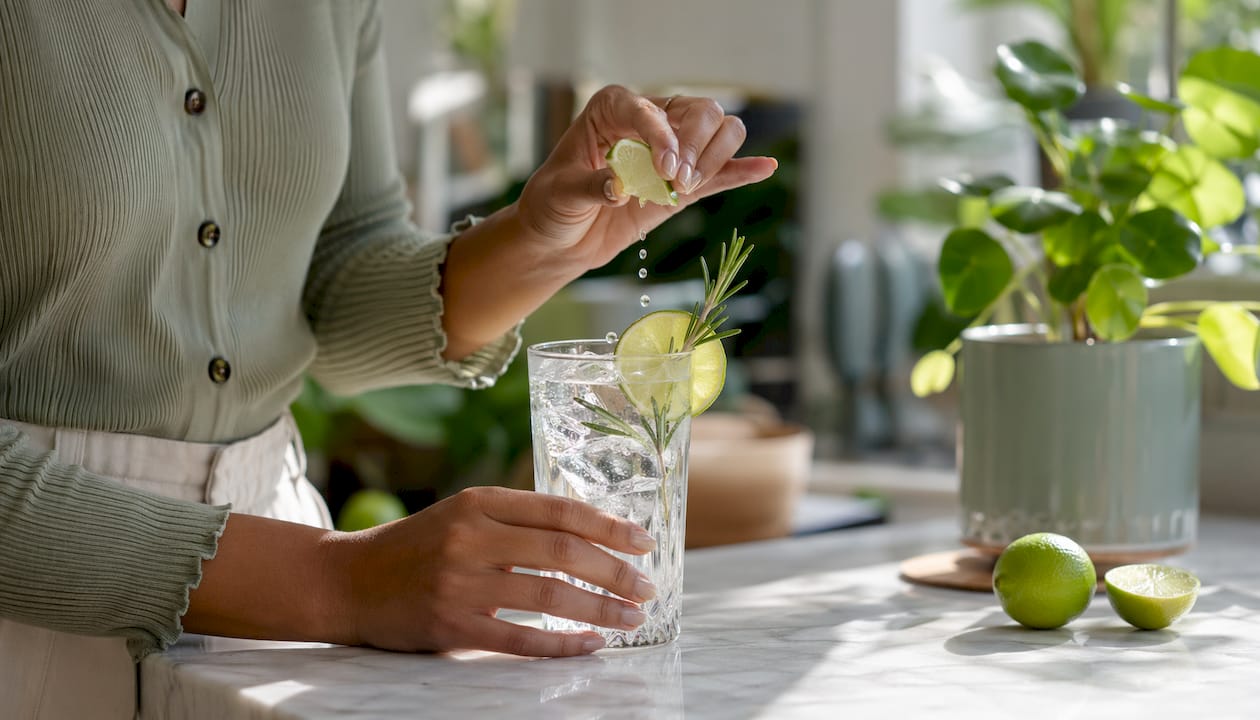
Mineral mocktails are built on high-quality sparkling mineral water, citrus, and trace minerals. They signal recovery to the nervous system through hydration, sensory pleasure, and ritual. High performers increasingly reach for these instead of wine at the end of the workday.
3. L-theanine and green tea blends
Bottled green tea blends with added L-theanine deliver moderate caffeine alongside a calming amino acid. Moderate caffeine with L-theanine in the afternoon balances energy dips without the anxiety spike that straight espresso causes. These are ideal for the 2:00–4:00 PM window when focus tends to drop.
4. Nootropic coffee alternatives
Mushroom-based drinks using lion’s mane or chaga offer a coffee-like ritual without the caffeine load. They support cognitive function and are particularly useful for professionals who are sensitive to caffeine but still want a warm, grounding morning drink.
5. THC seltzers
THC seltzers are a newer category that replaces alcohol’s social function with a mild, controlled effect. Tryfloral’s farm-to-fridge THC seltzers are zero calories and made with real fruit flavors, designed for after-work relaxation and social occasions. They offer a genuine alternative to beer or wine without the next-day fog.
6. Adaptogenic teas (hot and iced)
Teas built around tulsi, ashwagandha, or chamomile work well as afternoon and evening drinks. They are low cost, easy to prepare, and carry a ritual quality that signals the brain to slow down. Iced versions work well for social settings where a cold drink feels more appropriate.
7. Sparkling CBD drinks
CBD-infused sparkling drinks reduce social anxiety without impairing judgment. For professionals who feel nervous at networking events or client dinners, CBD drinks for social anxiety offer a practical, legal option in most states. The effect is subtle but real: less tension, more ease in conversation.
8. Electrolyte and mineral waters
Plain electrolyte drinks are underrated as a stress-reducing beverage. Dehydration directly worsens cortisol levels and cognitive performance. Keeping a quality electrolyte drink at your desk during high-pressure days is one of the simplest healthy beverage options available.
9. Kombucha
Kombucha provides gut health benefits alongside a small amount of natural carbonation and trace B vitamins. The gut-brain axis is well established in nutritional science, and a healthy gut microbiome supports mood regulation. Kombucha also works well as a social drink because it looks and feels like a craft beverage.
10. Functional lemonades and shrubs
Shrubs (drinking vinegars mixed with fruit and herbs) and functional lemonades with added botanicals are gaining ground at bars and restaurants. They are complex enough to satisfy the palate at social events and easy to order without drawing attention to the fact that you are not drinking alcohol. For professionals building a sober social life, having a go-to order at a bar removes a lot of social friction.
How to build a daily non-alcoholic drink routine
Timing your beverages by the demands of your day is the most effective strategy. Workplace beverage programs structured by time-of-day consistently show better hydration, energy, and productivity outcomes than unstructured drinking habits.
A practical framework looks like this:
- Morning (7:00–9:00 AM): Coffee or a nootropic mushroom blend for focus and alertness
- Midday (11:00 AM–1:00 PM): Sparkling water or electrolyte drink to maintain hydration and prevent the early afternoon crash
- Afternoon (2:00–4:00 PM): L-theanine green tea or an adaptogenic blend to sustain focus without caffeine overload
- Evening (6:00 PM onward): Mineral mocktail, THC seltzer, or adaptogenic tea to signal the end of the workday
The evening ritual deserves special attention. Drinking from elegant glassware signals to your nervous system that the workday is over. This is not a small detail. The physical act of pouring a drink, choosing a glass, and sitting down with it creates a psychological boundary that your brain learns to recognize over time.
“The ritual of pouring and drinking stimulates nervous system cues for relaxation and work-life separation. The drink itself matters less than the consistent signal it sends.”
For social settings, having a clear plan removes the pressure of deciding in the moment. Know your go-to order before you walk into a bar or event. That single habit reduces social anxiety and keeps you from defaulting to alcohol out of habit rather than genuine desire.
Challenges in building a sober social life and how to solve them
The adjustment period for sober socializing is real. Socializing without substances becomes natural after roughly 6–12 months of consistent practice. That timeline feels long, but it reflects how deeply social behavior is tied to habit rather than genuine preference for alcohol.
The most common challenges and their solutions:
- Feeling out of place at bars: Order a sparkling water with lime or a CBD drink immediately. Having something in your hand removes the visual signal that you are “not drinking.”
- Losing old social connections: Some friendships built around drinking will fade. Relationships formed during sober socializing tend to have higher authenticity and satisfaction than substance-centered ones.
- Loneliness during the transition: Join communities built around activities rather than alcohol. Fitness groups, hobby clubs, and professional networks all provide social connection without a drinking culture.
- Stigma at work events: Non-alcoholic options at workplace events signal an inclusive culture that values all employees. Advocating for better non-alcoholic options at your office is a reasonable and increasingly accepted request.
Pro Tip: Tell one trusted friend about your mindful drinking goals before attending a social event. Having an ally removes the pressure of explaining yourself to everyone and makes the evening significantly more comfortable.
Building new sober social routines aligned with your personal values is the single most effective long-term strategy. The functional drinks are a tool. The community and the intention behind your choices are what make the shift sustainable.
Key Takeaways
Functional non-alcoholic drinks support work-life balance by regulating stress, sustaining focus, and providing a social alternative to alcohol that does not compromise your health or productivity.
| Point | Details |
|---|---|
| Timing matters | Drink adaptogens 20–30 minutes before stress peaks, not after, for best effect. |
| Evening ritual is critical | Using elegant glassware for your non-alcoholic drink signals the brain that work is done. |
| Sober socializing takes time | Expect 6–12 months before alcohol-free social settings feel fully natural and enjoyable. |
| Variety covers every scenario | Keep options for morning focus, afternoon energy, and evening relaxation in your routine. |
| Community accelerates the shift | Joining substance-free social groups makes mindful drinking sustainable long-term. |
What I have learned about functional drinks and real recovery
The cultural shift toward mineral mocktails and functional beverages is not a wellness trend. It is a direct response to burnout culture, and the professionals I have spoken with are clear about why they made the switch.
What strikes me most is how underestimated the ritual element is. People spend a lot of time debating which adaptogen works best, but the act of pouring something intentional into a nice glass at 6:30 PM does more for nervous system regulation than the ingredient list alone. The brain responds to consistent signals. Give it one, and it learns to downshift on cue.
I have also noticed that the transition period is where most people give up. Six to twelve months feels like a long time when your social life feels awkward and your old habits keep pulling at you. But the professionals who push through that window consistently report that the relationships they build on the other side are more meaningful. That is not a small reward.
My honest take: the best non-alcoholic drink for work-life balance is the one you will actually drink consistently. Start with one functional beverage that fits your existing routine, whether that is a morning mushroom coffee or an evening adaptogenic seltzer, and build from there. Complexity is the enemy of consistency.
— Adam
Tryfloral’s farm-to-fridge approach to mindful drinking
Tryfloral was built for exactly the kind of professional described in this article: someone who wants to enjoy a social drink, unwind after work, and wake up feeling good the next morning.
Tryfloral’s farm-to-fridge difference means every beverage starts with quality ingredients and reaches you fresh, not sitting in a warehouse for months. The THC seltzers come in flavors like Harvest Apple, Tropical, and Strawberry Mango, all zero calories and designed for sharing. Whether you are winding down solo or bringing something interesting to a social event, Tryfloral gives you a genuinely good option. Please enjoy responsibly, and only if you are of legal age in your state.
FAQ
What are functional non-alcoholic drinks?
Functional non-alcoholic drinks are beverages formulated with adaptogens, nootropics, or botanicals to support specific health outcomes like stress reduction, focus, or relaxation. They differ from standard soft drinks by targeting the nervous system rather than just providing hydration or flavor.
How quickly do adaptogenic drinks work?
Adaptogens like lemon balm begin to regulate the stress response within 30–60 minutes of consumption. Drinking them proactively before a stressful event produces better results than drinking them after stress has already peaked.
Are THC seltzers a good alcohol replacement for social events?
THC seltzers provide a mild, controlled effect that replaces alcohol’s social function without the calories, hangover, or impaired judgment associated with heavy drinking. They are legal for adults in many states and work well at casual social gatherings.
How long does it take to feel comfortable socializing without alcohol?
Sober socializing becomes natural after roughly 6–12 months of consistent practice. The adjustment period is real, but the social connections formed during this time tend to be more authentic and satisfying than those built around drinking.
What is the best non-alcoholic drink for after-work stress relief?
Mineral mocktails and adaptogenic teas are the most effective stress-reducing beverages for after-work use. Pairing either with a consistent evening ritual, such as using a wine glass or sitting in a specific spot, strengthens the psychological signal that the workday is over.
