You took a little more than you meant to. Maybe the second one crept up on you before the first fully landed. Either way, you're looking for the fastest exit. Here's what actually works — and what doesn't — when you want to speed up a THC come-down.
Before we dive in: if you're currently feeling overwhelmed, anxious, or panicked, read our companion post on what to do if you feel too high first. That guide focuses on calming the moment. This one is for when you're functional but still noticeably high and want to move the clock forward. The two guides cover different territory — panic management vs. active come-down — so we kept them separate on purpose.
Why You Can't "Un-High" Instantly (But Can Influence the Timeline)
Once THC is in your bloodstream, the honest answer is that time is doing most of the work. THC is metabolized by liver enzymes — primarily CYP2C9 and CYP3A4 — and the rate at which that happens is set by your individual biology, the dose, and how it was consumed. Beverages are absorbed through the gut, so peak blood concentration typically arrives 45–90 minutes after drinking and then gradually falls as metabolism does its job.
What the research tells us: THC's elimination half-life in occasional users is roughly 1.3 days, and in regular users it can be significantly longer because THC accumulates in fat tissue and releases slowly (Huestis, 2007, Chemistry & Biodiversity). That number sounds alarming when you're trying to get through a work call, but it refers to full elimination — the noticeable psychoactive effects of a low-to-moderate dose from a beverage typically subside within 2–4 hours for most people.
You can't force your liver to work faster. But there are a handful of things that genuinely nudge the experience in the right direction — and several popular "remedies" that do nothing or make things worse. Here's the evidence-based breakdown.
How to Get Rid of a High: The Practical Step-by-Step
1. Stop — and wait
Set the drink down. The single most common reason people overshoot is dosing again before the first dose fully arrives. Adding more THC when you're trying to come down is counterproductive. Your only job right now is patience.
2. Hydrate steadily
Drink water or a low-sugar electrolyte drink. THC can cause dry mouth and mild dehydration-adjacent discomfort; staying hydrated won't flush THC from your system faster, but it keeps you more comfortable while metabolism does its work. Avoid alcohol — it amplifies intoxication rather than blunting it.
3. Eat something
A moderate snack — crackers, toast, fruit — can help you feel more grounded. Food won't dramatically alter THC metabolism, but eating something gives your body another signal to attend to and can reduce the feeling that THC is the only thing happening. (Note: eating a large fatty meal before drinking can actually increase THC absorption — so this tip is most relevant mid-experience, not as prevention.)
4. Get some fresh air and light movement
A slow walk outside — nothing intense — can shift your mental state and give the clock something to run against. The combination of cooler air, mild physical engagement, and a change of scenery is consistently reported as helpful. Don't push it: vigorous exercise can temporarily raise THC blood levels by mobilizing fat stores where THC is sequestered (Toennes et al., 2013, Journal of Analytical Toxicology).
5. Try black pepper or beta-caryophyllene
This is a traditional remedy with actual pharmacological backing. Black pepper contains beta-caryophyllene, a terpene that activates CB2 receptors and may modulate the anxiety component of a THC overshoot. Cannabinoid researcher Ethan Russo describes chewing or sniffing a few peppercorns as a low-risk intervention grounded in shared cannabis-pepper chemistry (Russo, 2011, British Journal of Pharmacology). It won't shorten the high dramatically, but it may take the anxious edge off.
6. Consider CBD — if you have it
Non-intoxicating CBD may help with the anxiety component. A controlled study demonstrated that CBD reduced experimentally induced anxiety (Bergamaschi et al., 2011, Neuropsychopharmacology), and its interaction with the endocannabinoid system is distinct from THC's. If you have a CBD tincture or capsule on hand, a moderate dose is worth trying. Important caveat: the evidence on CBD directly countering THC intoxication in humans is mixed — don't expect a complete reversal (MacCallum & Russo, 2018, European Journal of Internal Medicine).
How to Get Less High: Managing Intensity Without Full Stoppage
Sometimes the goal isn't full sobriety — it's dialing down the intensity by a notch so you can function. The same toolkit applies, but the framing shifts from "exit strategy" to "recalibration."
The most effective lever here is environment. High-stimulation settings — loud bars, bright lights, crowded rooms — tend to amplify the feeling of being too high. Moving somewhere quieter, dimmer, and less demanding gives your nervous system space to regulate. Slow breathing (inhale 4 counts, hold 4, exhale 6) activates the parasympathetic nervous system and can noticeably reduce the racing or scattered feeling within a few minutes.
Mild distraction helps, too. A familiar show, a podcast you've heard before, a text conversation with a calm friend — something that gives your attention somewhere comfortable to rest without demanding much. The goal is occupying the foreground of your mind so THC isn't the only thing in it.
Crucially: resist the urge to check in with your symptoms constantly. The anxious loop of "am I still high? am I less high? is this normal?" actively prolongs the discomfort. Set a 20-minute timer, do something else, and check back. The progress will surprise you.
If you want to understand the typical shape of a THC beverage experience before it happens, our THC drink experience timeline lays out what to expect at each stage from first sip to full clear.
How to Get Un High: What Actually Speeds Up Metabolism
Let's address the question people are really asking: is there anything that speeds up THC metabolism itself, not just makes the experience more bearable?
The short answer is no — not meaningfully, and not safely. The liver enzyme pathways that break down THC (CYP2C9, CYP3A4) are not usefully accelerated by anything you can take or do in an afternoon. Popular folk remedies — coffee, cold showers, "flushing" with large amounts of water — don't accelerate hepatic THC metabolism. Coffee may make you feel more alert and less foggy but doesn't reduce THC blood levels; it can also amplify heart rate, which is counterproductive if you're already anxious.
There's no supplement, no drink, no breathing technique that meaningfully compresses a 3-hour window into 30 minutes. The strategies above work by reducing the anxiety and discomfort of the experience — which is real and significant help — but the baseline timeline is set by your metabolism.
The best tool for "getting un high faster" is, bluntly, not getting as high to begin with. Which brings us to the most useful part of this guide.
What NOT to Do
-
Don't drive. This isn't negotiable. THC impairs reaction time and judgment even when you feel less affected than you did an hour ago. Our post on THC drinks and driving covers the research in detail — the short version is: wait until you're fully clear, not just mostly clear.
-
Don't drink alcohol to "balance it out." Alcohol significantly raises peak THC blood concentration and prolongs intoxication. This is one of the most common mistakes and one of the most counterproductive.
-
Don't stack more THC. "Hair of the dog" logic does not apply here. More THC means more intoxication, not equilibrium.
-
Don't use caffeine to mask it. Caffeine can make you feel sharper but it doesn't lower your impairment level. You may feel more awake and still be meaningfully impaired.
-
Don't suffer alone if you're scared. If symptoms feel genuinely scary — chest pain, trouble breathing, unresponsiveness — call for help. See the section below.
When to Seek Medical Help
True emergencies from hemp-derived THC beverages at typical doses are rare, but err heavily on the side of caution. Contact a healthcare provider, call Poison Control (1-800-222-1222 in the U.S.), or call emergency services if you experience chest pain that doesn't ease, difficulty breathing, fainting, repeated vomiting, or symptoms that feel disproportionate to the situation — especially if other medications or substances are involved, or if the person affected has a heart condition. There is no downside to making the call, and there is no shame in it.
How to Avoid Getting Too High Next Time
The most effective strategy isn't managing the come-down — it's engineering a better experience from the start. Almost every overshoot traces back to two variables: too much dose, or not enough patience.
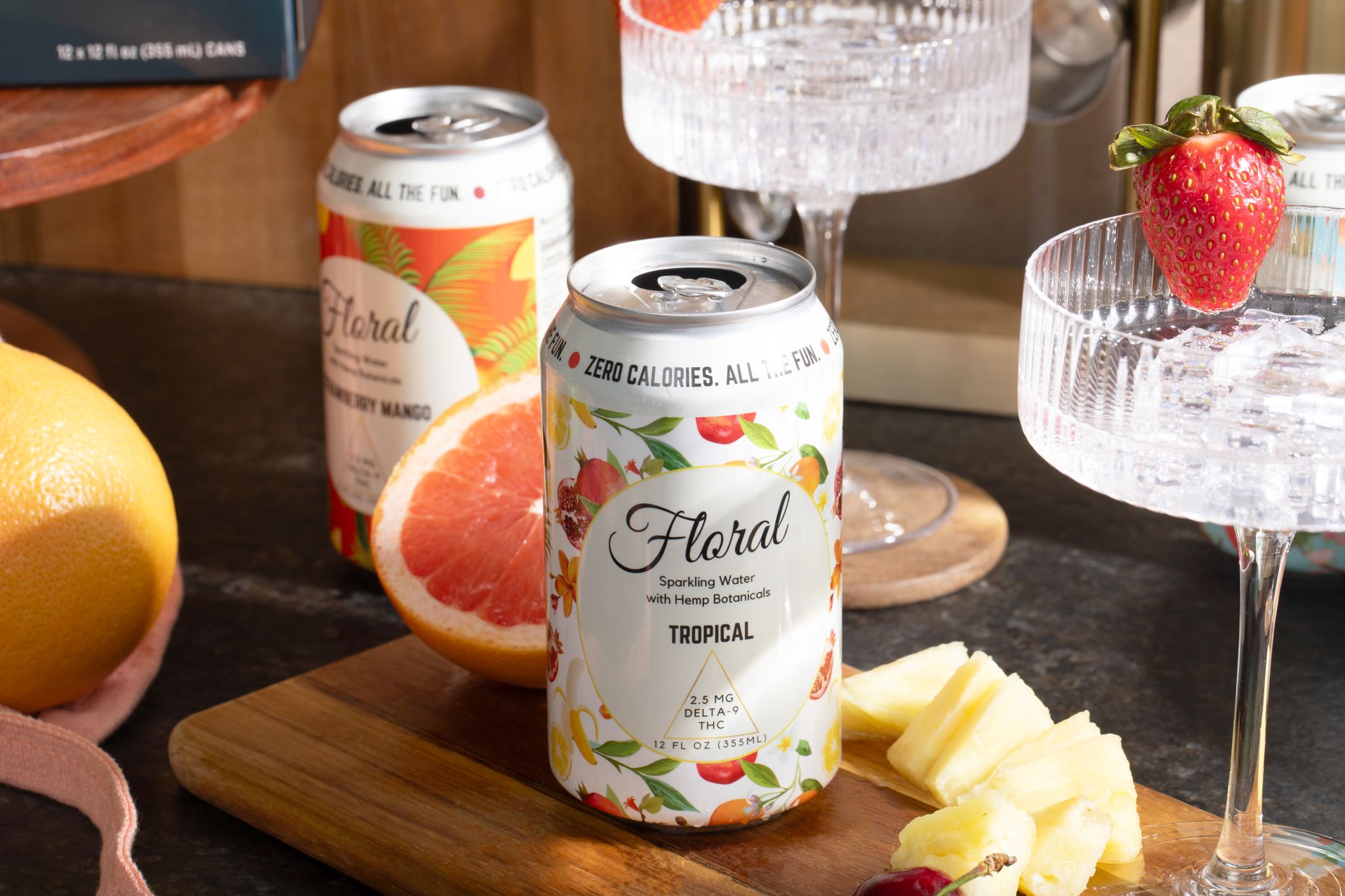
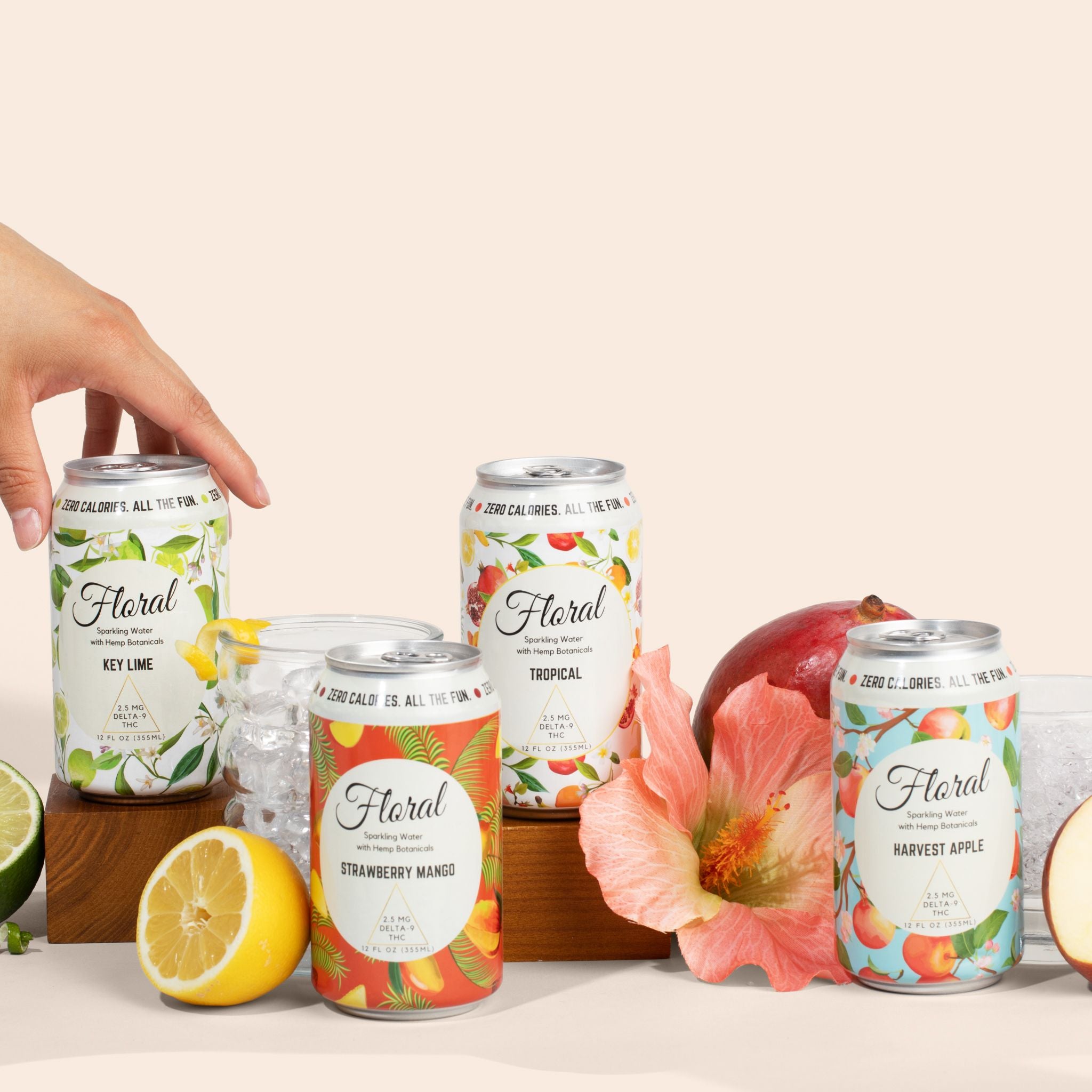
Low-dose beverages — 2.5mg delta-9 THC — give you the most control. You can always drink a second one next time; you can't undrink the one you've already had. Our best low-dose THC drinks guide explains why the floor of the dosing range is actually where most experienced drinkers land too, not just beginners.
The other variable is timing. Beverages arrive faster than traditional edibles thanks to liquid absorption, but they still need 45–60 minutes to fully land. If you double up at the 30-minute mark because "you don't feel anything yet," you're setting up a second wave. Our THC dosage guide walks through how to dial in the right amount for your tolerance, occasion, and goals.
First time with THC beverages? Our THC drinks for beginners guide starts from scratch — including why the serving size printed on the can is more important than it looks.
Start Low. Stay in Control.
Floral's 2.5mg seltzers are precisely dosed, lab-tested, and made from hemp grown on our family farm in Indiana. Easy to pace. Easy to enjoy.
Shop 2.5mg Seltzers
References
- Huestis, M.A. (2007). Human cannabinoid pharmacokinetics. Chemistry & Biodiversity, 4(8), 1770–1804. https://doi.org/10.1007/s11920-007-0029-6
- Russo, E.B. (2011). Taming THC: potential cannabis synergy and phytocannabinoid-terpenoid entourage effects. British Journal of Pharmacology, 163(7), 1344–1364. https://doi.org/10.1111/j.1476-5381.2011.01238.x
- Bergamaschi, M.M., et al. (2011). Cannabidiol reduces the anxiety induced by simulated public speaking in treatment-naïve social phobia patients. Neuropsychopharmacology, 36(6), 1219–1226. https://doi.org/10.1038/npp.2011.6
- MacCallum, C.A., & Russo, E.B. (2018). Practical considerations in medical cannabis administration and dosing. European Journal of Internal Medicine, 49, 12–19. https://doi.org/10.1016/j.ejim.2018.01.004
- Toennes, S.W., et al. (2013). Influence of ethanol on cannabinoid pharmacokinetics after oral cannabis administration with food. Journal of Analytical Toxicology, 37(7), 422–428. PubMed: 23002935
Disclaimer: This article is for general educational and harm-reduction purposes only and is not medical advice. It is not a substitute for professional medical care. Individual responses to THC vary significantly based on tolerance, body weight, metabolism, and other factors — the timelines and strategies described here are general and may not apply to your situation. If you are concerned about your symptoms or someone else's, contact a healthcare provider, Poison Control (1-800-222-1222 in the U.S.), or emergency services. Floral Beverages, LLC makes no claims that its products treat, cure, or prevent any condition. Must be 21 or older to purchase. Please consume responsibly and never drive under the influence of THC.