"Wait — these are legal?" It is the first question most people ask when they discover THC drinks on the shelf at their local grocery store or available for online delivery. The answer is more nuanced than a simple yes or no. Thanks to the 2018 Farm Bill, hemp-derived THC products containing less than 0.3% THC by dry weight are federally legal. That is the framework that makes THC beverages possible. But individual states have layered their own regulations on top, creating a patchwork of rules that can be confusing to navigate. Whether you are curious about trying THC drinks for the first time or want to send a pack to a friend in another state, you need to know where things stand. This guide breaks down the current legal landscape for THC beverages in 2026 — state by state, with plain-English explanations of what is allowed and what is not.
The Short Answer: Federal Legality Under the 2018 Farm Bill
The 2018 Farm Bill — officially the Agriculture Improvement Act of 2018 — changed everything for hemp-derived products. It removed hemp from the Controlled Substances Act and defined it as cannabis containing no more than 0.3% Delta-9 THC by dry weight. Any product derived from compliant hemp that stays within this threshold is federally legal.
This is the legal foundation that makes THC beverages possible. Because a 12-ounce can of seltzer weighs significantly more than the THC it contains, a product with 2.5mg, 5mg, or even 10mg of Delta-9 THC can easily stay below the 0.3% threshold when measured against the total dry weight of the product. The math works, the law permits it, and millions of Americans are now enjoying legal THC drinks as a result.
But federal legality is just the starting point. The Constitution allows states to impose additional restrictions on products within their borders, and many have done exactly that. This is why the answer to "Are THC drinks legal?" depends partly on your zip code.
How Hemp-Derived THC Drinks Are Different from Marijuana Products
This is where most confusion lives, so let us be absolutely clear: the THC molecule itself is identical whether it comes from hemp or marijuana. Delta-9-tetrahydrocannabinol is the same compound regardless of which plant produced it. Your body cannot tell the difference, and a lab test cannot tell the difference.
The legal distinction is entirely about the source plant and concentration. Hemp is cannabis with 0.3% or less THC by dry weight. Marijuana is cannabis with more than 0.3% THC by dry weight. Products derived from hemp — including THC seltzers and cocktails — fall under the 2018 Farm Bill's framework. Products derived from marijuana fall under state marijuana laws, which vary dramatically and often require dispensary purchases.
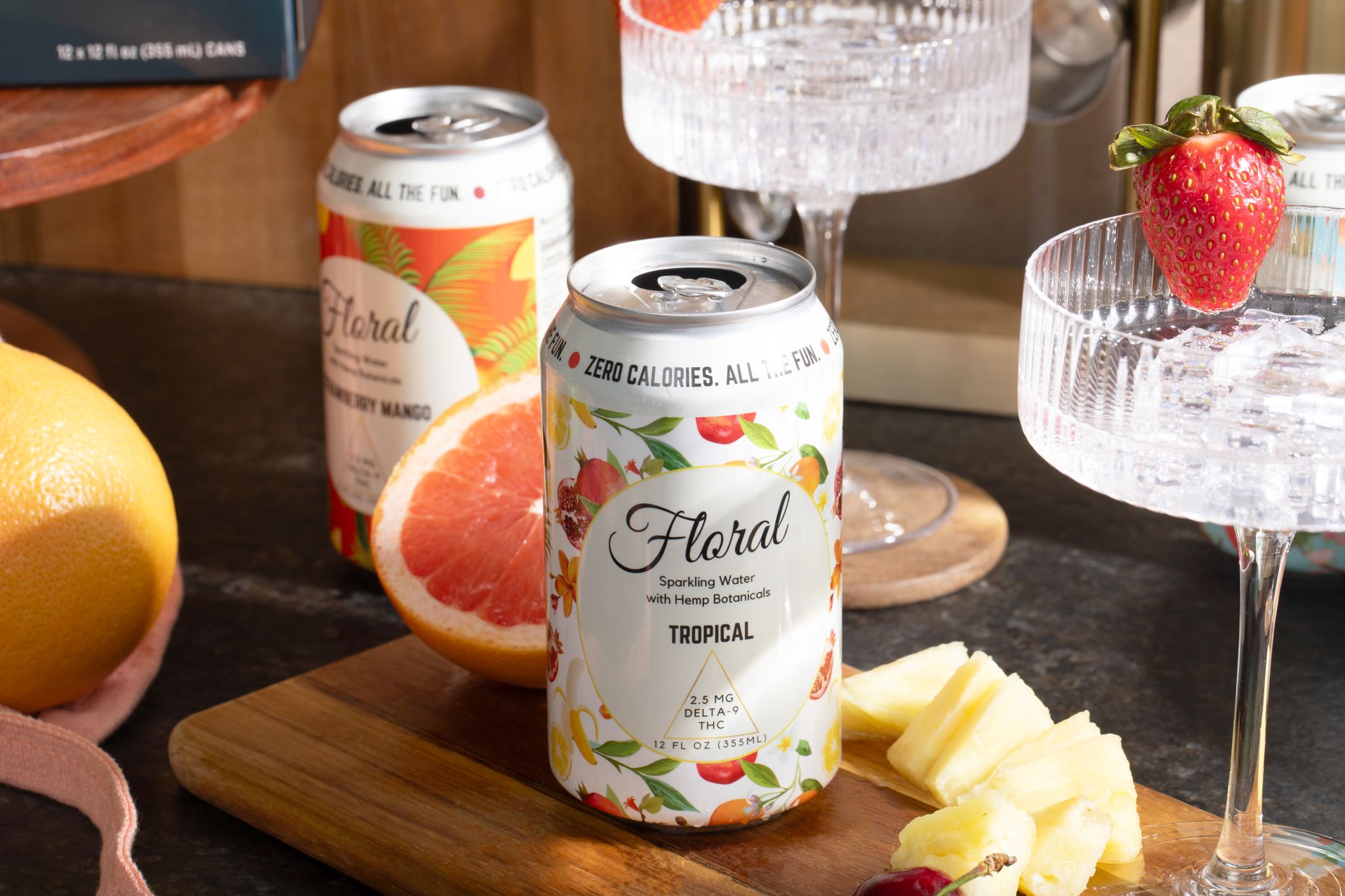
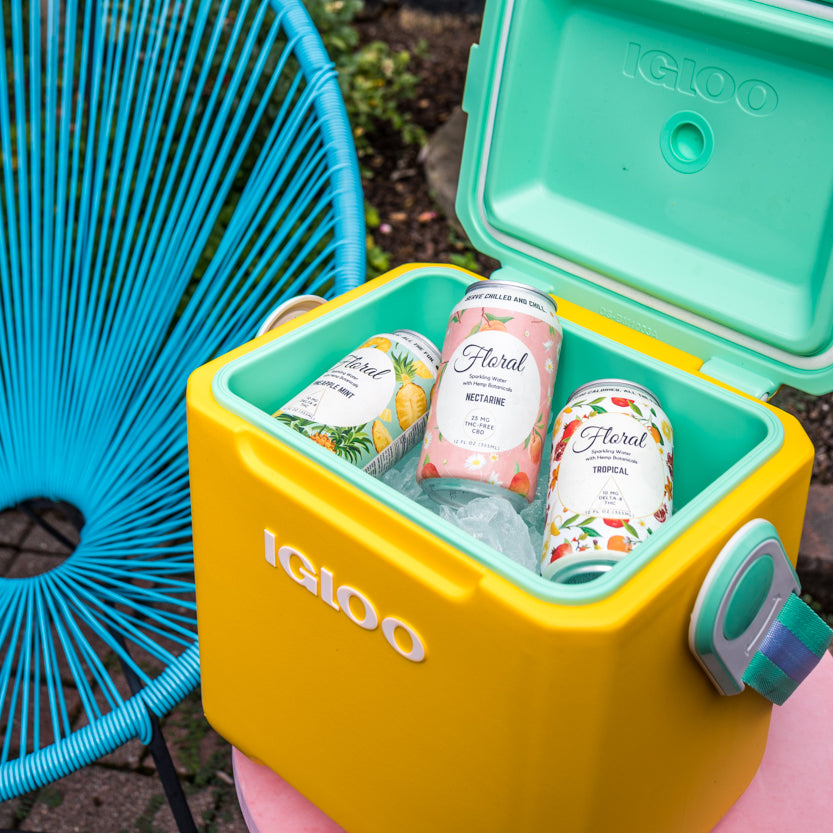
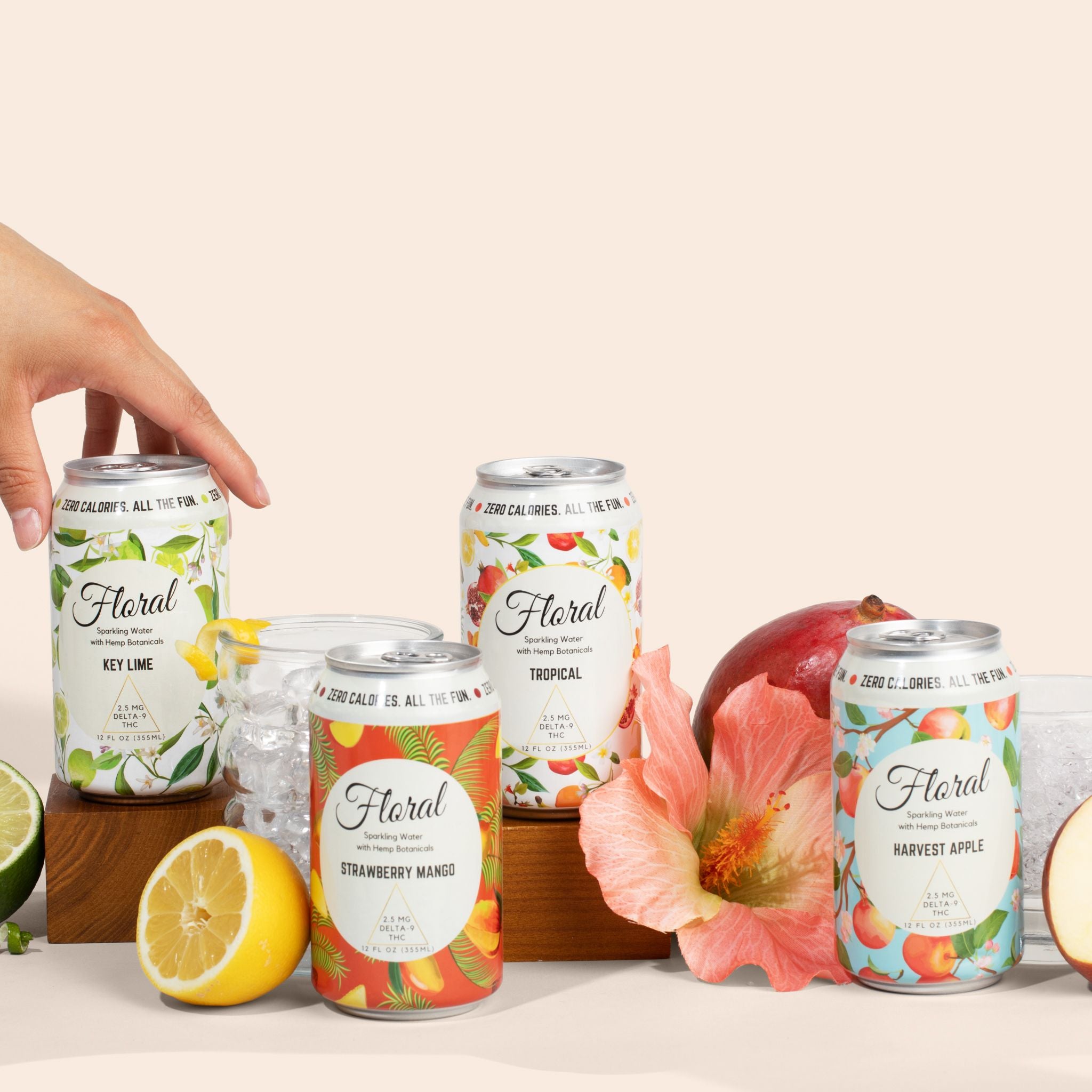
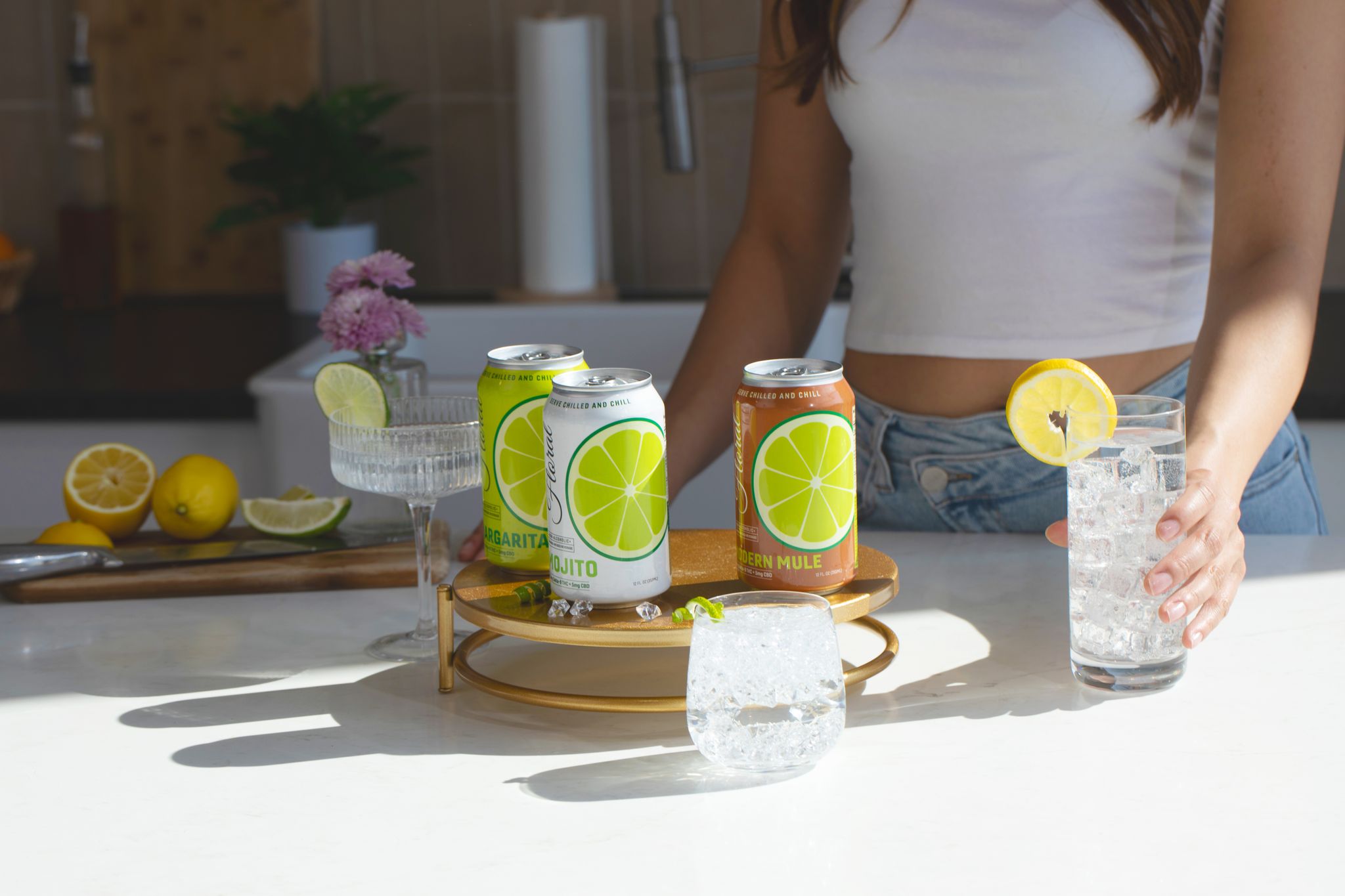
When you buy a Floral THC seltzer, you are buying a hemp-derived product that complies with federal law. It is not marijuana. It is not a gray area. It is a legally distinct category with its own regulatory framework — and understanding that distinction is important as a consumer.
States Where THC Drinks Are Fully Legal
The majority of US states allow the sale and shipment of hemp-derived THC beverages. These states either have explicit regulatory frameworks for hemp-derived products or have not enacted restrictions beyond federal law, meaning the 2018 Farm Bill serves as the governing framework.
States with clear legal status for hemp-derived THC beverages include (but are not limited to): Indiana, California, Texas, Florida, Illinois, Michigan, New York, Pennsylvania, Georgia, North Carolina, Tennessee, Virginia, Wisconsin, Minnesota (which has established one of the most comprehensive regulatory frameworks for THC beverages specifically), and many others.
Floral ships to all states where hemp-derived THC beverages are legally permitted. You can check your specific state's eligibility on our shipping page.
It is worth noting that "fully legal" does not mean "completely unregulated." Most states that allow these products require age verification (21+), accurate labeling, and compliance with the federal 0.3% THC threshold. These are reasonable consumer protections that legitimate brands like Floral already follow as standard practice.
States with Restrictions or Regulations
Several states have taken a middle-ground approach: they allow hemp-derived THC products but have added state-specific regulations that go beyond federal requirements. These restrictions typically fall into a few categories:
Serving size limits. Some states cap the amount of THC allowed per serving or per package. For example, a state might limit individual servings to 5mg or 10mg and total package contents to 50mg. These limits are designed to prevent overconsumption and are generally aligned with responsible dosing practices anyway.
Labeling and testing requirements. Certain states require specific label disclosures, child-resistant packaging, or mandatory third-party lab testing with publicly available Certificates of Analysis (COAs). Again, reputable brands already do all of this voluntarily.
Sales channel restrictions. Some states restrict where hemp-derived THC products can be sold — for example, requiring them to be sold only in licensed retail locations rather than convenience stores or gas stations.
Age restrictions. While most states set the minimum purchase age at 21, a few have set it at 18. The industry standard — and Floral's requirement — is 21+, regardless of local minimums.
If your state has specific regulations, the most important thing is buying from brands that take compliance seriously. Companies that follow the strictest interpretation of the law across all states — rather than finding the loosest interpretation in each state — are the ones you can trust with your health and your money.
States Where THC Drinks Are Prohibited
A small number of states have explicitly banned or significantly restricted hemp-derived THC products, including beverages. These states have generally taken the position that any psychoactive THC product should be regulated under their state marijuana programs, regardless of federal hemp law.
As of early 2026, states with significant restrictions or outright bans on hemp-derived THC products include Idaho, Kansas, and a handful of others that have passed legislation specifically targeting these products. Ohio has enacted a ban on THC sales effective March 19, 2026.
This list is a moving target. States regularly introduce, pass, and modify legislation related to hemp-derived products. A state that is fully open today could add restrictions next quarter, and a state with restrictions could remove them. This is why we recommend checking current laws before ordering — and why Floral's shipping system is designed to verify state eligibility before processing any order.
If you are in a restricted state, the situation may change. The overall trend across the country is toward regulation rather than prohibition — states are increasingly choosing to create frameworks for legal sale rather than banning products that their residents are already purchasing online from out-of-state retailers.
How to Know If a THC Drink Is Legal and Compliant
Whether you are shopping online or picking up a THC beverage at a local store, here are the signals that a product is legally compliant and safe to consume:
Third-party lab testing. Every reputable THC beverage brand provides Certificates of Analysis (COAs) from independent laboratories. These confirm that the product contains the amount of THC stated on the label, is below the 0.3% federal threshold, and is free of contaminants like heavy metals, pesticides, and residual solvents. If a brand does not provide COAs, do not buy their product.
Clear labeling. The label should state the exact milligram amount of Delta-9 THC per serving and per package, list all ingredients, include a warning about psychoactive effects, and specify that the product is derived from hemp. Vague labeling — "proprietary blend" or "full spectrum hemp extract" without specific THC content — is a red flag.
Age verification. Any company selling THC beverages online should require age verification at checkout. If a website ships THC products without verifying that you are 21 or older, they are cutting corners on compliance — and likely cutting corners elsewhere, too.
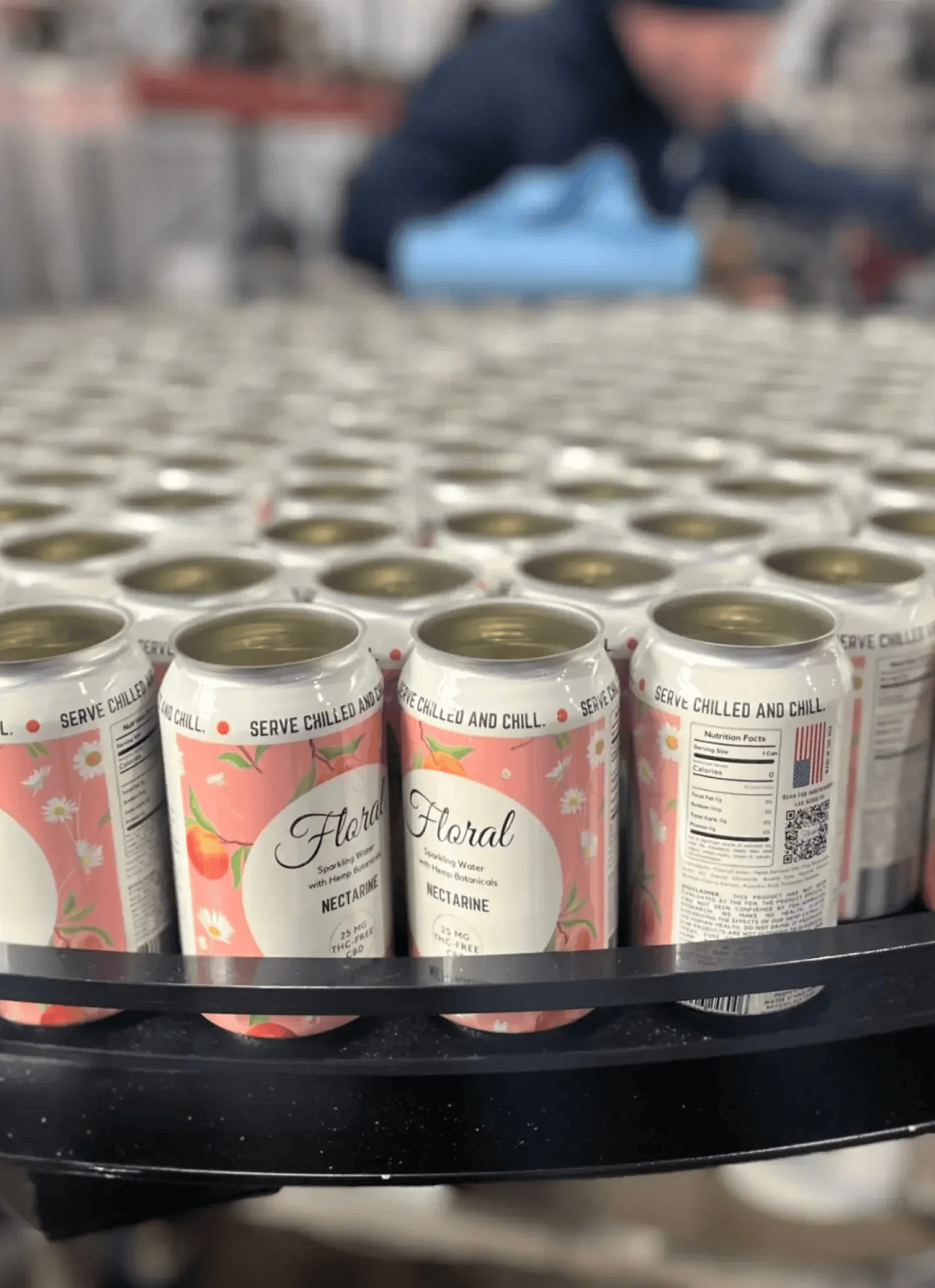
Company transparency. Where is the product made? Where is the hemp sourced? What extraction and emulsion methods are used? Brands that answer these questions openly — like Floral, which manufactures everything in-house at our Gas City, Indiana facility using hemp from our farm in Hartford City — are brands that take compliance seriously.
What Is Changing: 2026 Legislation to Watch
The legal landscape for hemp-derived THC is evolving rapidly. Several developments are worth watching in 2026:
Federal regulatory clarity. There is growing bipartisan interest in establishing clearer federal regulations for hemp-derived cannabinoid products. This would likely create a more uniform national framework rather than the current state-by-state patchwork. For consumers, more regulation generally means more consistency and safety.
Section 781 and synthetic cannabinoid restrictions. Federal legislation targeting synthetic cannabinoids (like synthetic Delta-8 and THC-O) is expected to take effect by November 2026. This is actually good news for brands like Floral that use natural Delta-9 THC derived directly from hemp through chromatographic separation. The law will distinguish between natural and synthetic cannabinoids, and naturally derived products are positioned favorably.
State-level maturation. States like Minnesota and Connecticut have created comprehensive regulatory frameworks for THC beverages that could serve as models for other states. As more states see the tax revenue and consumer safety benefits of regulation versus prohibition, the trend toward legal access is likely to continue.
The best advice for consumers: buy from compliant brands today, stay informed about your state's laws, and do not panic about regulatory changes. The industry is maturing, and mature industries tend to get clearer rules — not fewer products.
The Bottom Line
The legal landscape for THC drinks is evolving, but the core framework remains clear: hemp-derived THC beverages that comply with the 2018 Farm Bill are federally legal, and the majority of states allow their sale and shipment. The key is choosing products from brands that prioritize compliance, transparency, and third-party lab testing.
Fully Compliant. Fully Delicious.
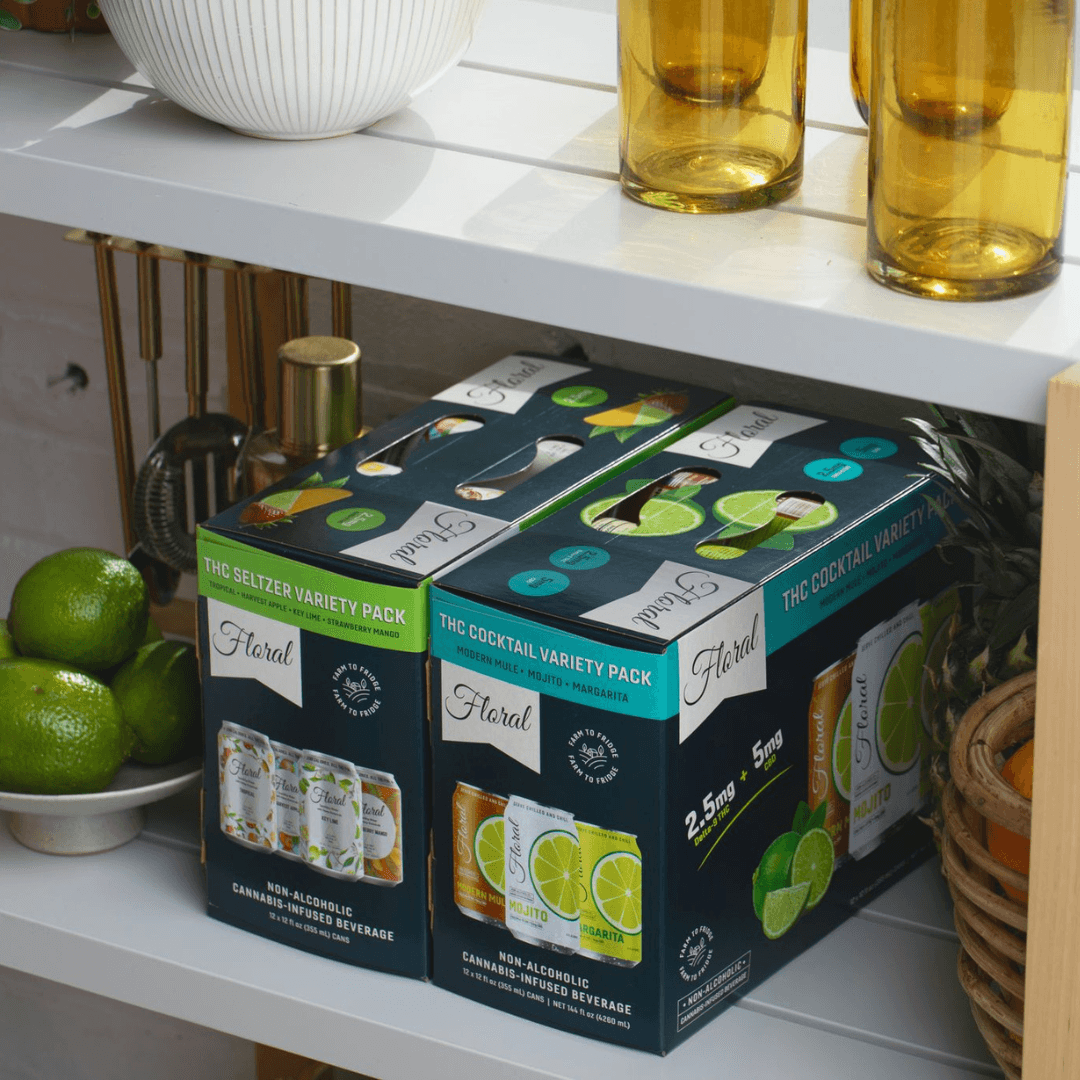
Floral ships fully compliant THC seltzers and cocktails to eligible states — every batch is lab-tested, clearly labeled, and made with hemp-derived Delta-9 THC. Check if we ship to your state and experience premium THC beverages delivered to your door.
Shop Now — 21+ Only
Legal Disclaimer
This article is for informational and educational purposes only. It is not legal advice. Laws regarding hemp-derived THC products vary by state and change frequently. The information presented here reflects our understanding of the legal landscape as of March 2026 and may not reflect subsequent legislative changes. Always verify the current laws in your state before purchasing or consuming THC products. Consult a legal professional if you have specific questions about THC product legality in your jurisdiction. Floral Beverages, LLC assumes no liability for individual reliance on this information. Must be 21 or older to purchase.
Floral THC beverages are made with hemp-derived Delta-9 THC and are legal under the 2018 Farm Bill. Must be 21 or older to purchase. Last updated: March 2026.
About the Author
Adam Kline is the founder of Floral Beverages and president of Heartland Harvest Processing, a vertically integrated hemp beverage manufacturer in Gas City, Indiana. Adam oversees every step from cultivation on the family farm in Hartford City to extraction, formulation, and canning. Floral has served thousands of customers with an 80% repeat purchase rate.